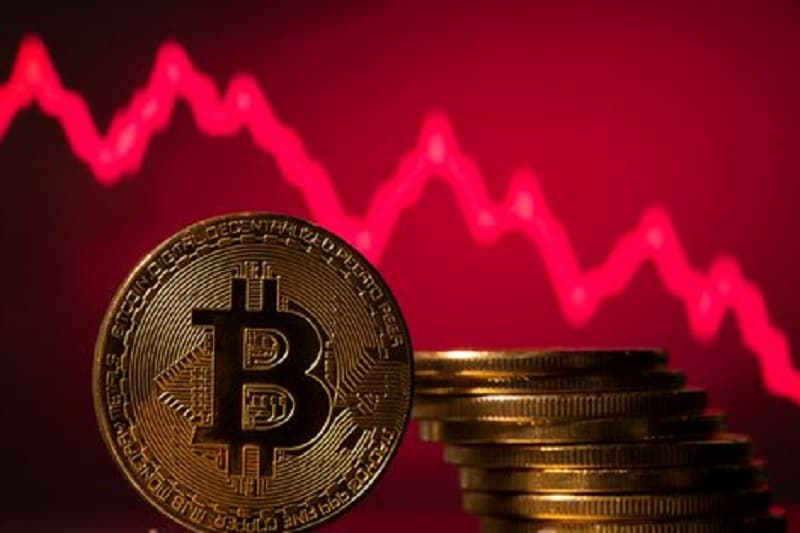
The world's largest cryptocurrency was down 4.6% to $64,882.1 as of 6:37 AM (03:37 GMT), having hit a 24-hour low of $64,384.2.
Bitcoin fell below $65,000 during Asian trading on Monday, falling to levels seen in early February when prices briefly dipped toward $60,000, as large holders intensified selling amid a general risk-off due to US trade policy.
Blockchain data from CryptoQuant shows an increase in so-called whale activity, with the whale ratio on exchanges rising as large holders transferred coins to trading platforms, a typical precursor to selling. Seller whales—entities holding large amounts of Bitcoin, often early investors, institutional investors, or crypto funds—can exert a disproportionate influence on short-term price movements when they move their holdings to exchanges.
Sentiment was dampened by developments in US trade policy. The US Supreme Court last week struck down elements of President Donald Trump's earlier tariff program.
Trump subsequently announced a new global tariff of 10% on imports for 150 days, later raising the rate to 15%, the maximum permitted by law, sparking jitters in financial markets.
The escalation of tariffs weighed on stocks and other risk assets during Asian trading on Monday. Investors are concerned that higher trade barriers could slow global growth and worsen liquidity conditions—factors that typically weigh on cryptocurrencies.
Other major tokens also fell sharply, with Ethereum and XRP each falling nearly 6%. US economic data released on Friday reinforced cautious sentiment. Gross domestic product grew 1.4% year-on-year in the fourth quarter, highlighting a slowdown in growth, while the personal consumption expenditures price index remained elevated at 2.9% year-on-year.
Persistent inflation amid cooling growth has complicated forecasts for a Federal Reserve rate cut, tempering expectations for imminent monetary easing this year.