U.S. central bank may be forced to consider tighter monetary policy later this year if progress in reducing inflation stalls.
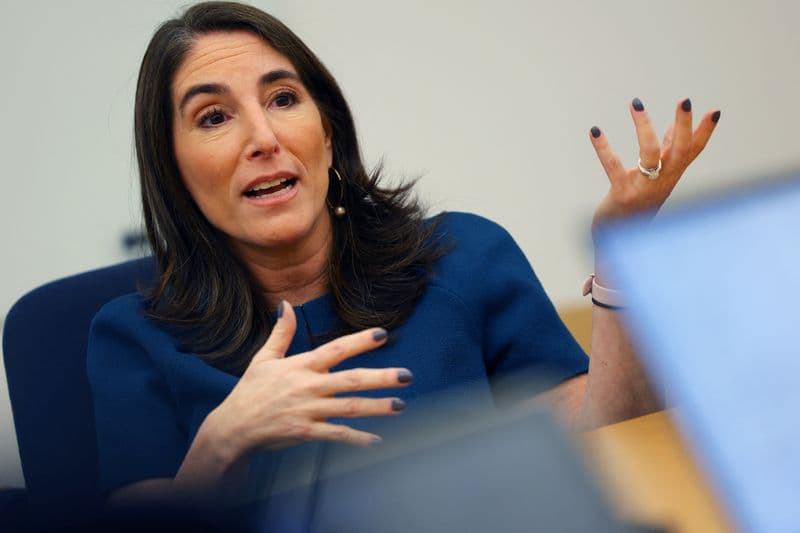
Cleveland Federal Reserve Bank President Beth Hammack said Friday that the U.S. central bank may be forced to consider tighter monetary policy later this year if progress in reducing inflation stalls, even as a cooling labor market adds a new layer of complexity to the Fed's dual mandate.
These remarks came as the USD index fell 0.16% to 99.15 by 11:39 p.m. Moscow time, with the 10-year Treasury yield settling at 4.131% following a disappointing February employment report. Hammack expects price pressures to ease, but emphasized that the Fed may need to become "more restrictive" if inflation doesn't return to its 2% target in the second half of 2026. The Federal Reserve is currently holding its benchmark interest rate between 3.5% and 3.75% after pausing in January.
Labor Market Weakens Amid Geopolitical Oil Shock
The Federal Reserve's policy trajectory was further complicated on Friday by data showing that the US economy unexpectedly lost 92,000 jobs in February, raising the unemployment rate to 4.4%. The negative employment figure marks the sharpest reversal since last year and contradicts the inflationary threat posed by the sharp rise in energy prices related to the ongoing conflict in the Middle East.
Hammak noted that it is "too early to know" the full impact of the recent surge in oil prices, which has sent WTI crude futures up more than 21% since the start of joint US-Israeli operations. Higher gasoline prices risk destabilizing inflation expectations, potentially forcing the Fed to keep rates higher longer despite signs of a faltering labor market.
"I'm trying to assess the magnitude and sustainability," Hammack said of the oil shock. She added that the Fed needs to assess whether the shock is depressing growth and employment before deciding on its next step at its monetary policy meeting on March 17-18.
Financial Stability and Regulatory Oversight
Beyond the immediate rate issue, Hammack addressed growing uncertainty in private lending markets, noting that while she doesn't see serious systemic problems, issues in the sector remain a top priority.
The Cleveland Fed chief also defended the current regulatory framework for the banking sector, even as the institution considers more lenient supervisory measures under the current administration. "I believe the system has become safer thanks to a number of rules that have been put in place," Hammack said, arguing that these rules have provided a "source of strength" during the pandemic and subsequent market turmoil.
Investors now estimate a 97% chance that the Fed will leave interest rates unchanged this month, according to the Fed's rate tracking tool, as policymakers try to balance the "risks" of a weakening labor market with the renewed threat of inflation driven by rising energy prices.