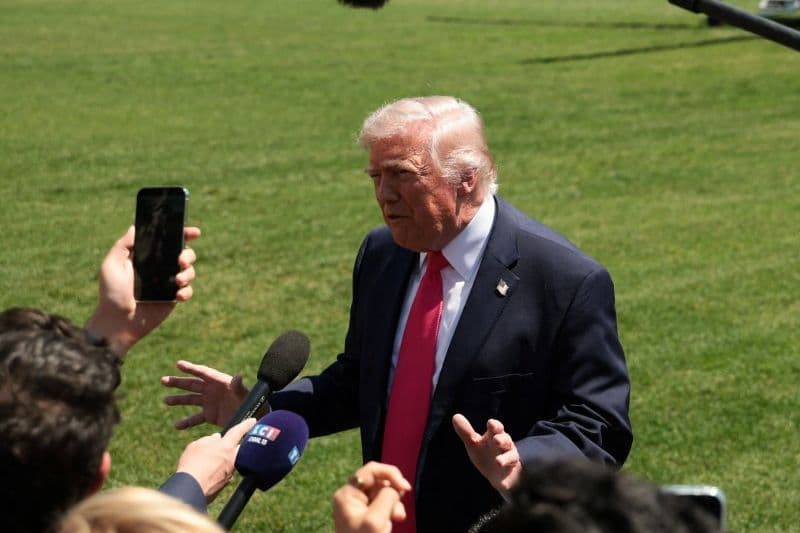
Donald Trump stated that Iran made key concessions during closed-door talks, and a comprehensive peace agreement capable of ending the war and the global energy crisis could be signed "fairly soon."
However, the White House's optimism stands in stark contrast to the concerns of its allies and the harsh reality of the physical oil market, Bloomberg reports.
"Iran wants a deal. They're willing to do things today that they weren't willing to do two months ago," Trump assured. "We're having very successful negotiations right now. If there's a deal, it will be announced fairly soon."
According to the US President, a second round of direct talks between the American and Iranian delegations could take place as early as this weekend. Trump even suggested a personal visit to Pakistan to sign the final document, figuratively noting: "They [the Iranians] have agreed to almost everything. All they have to do is sit down at the table with a pen."
Not everyone shares Trump's optimism. According to sources familiar with the closed-door consultations, leaders of several Arab Gulf states and Europe are much more pessimistic. They believe it will take at least six months to agree on a comprehensive peace treaty and insist on extending the ceasefire for that entire period.
Official Tehran has so far remained silent and has not commented on Trump's claims that Iran has allegedly dropped its objections to key American demands.
Trump's constant verbal interventions, promising a quick end to the war, continue to fuel optimism in global stock markets. Wall Street indices closed at all-time highs, and the MSCI global index also hit a new record on Thursday after a 10-day rally.
Brent crude futures responded to the news by falling 1.2%, to $98.30 per barrel.
However, exchange-traded futures mask the true picture of the catastrophe. The physical oil market is experiencing a severe supply shortage. Dated Brent, the world's most important indicator of physical oil prices, is trading around $116 per barrel.
European and Arab leaders are sounding the alarm: if the Strait of Hormuz is not fully unblocked by the end of next month, the world will face not only an energy crisis but also a global food crisis due to fertilizer shortages.