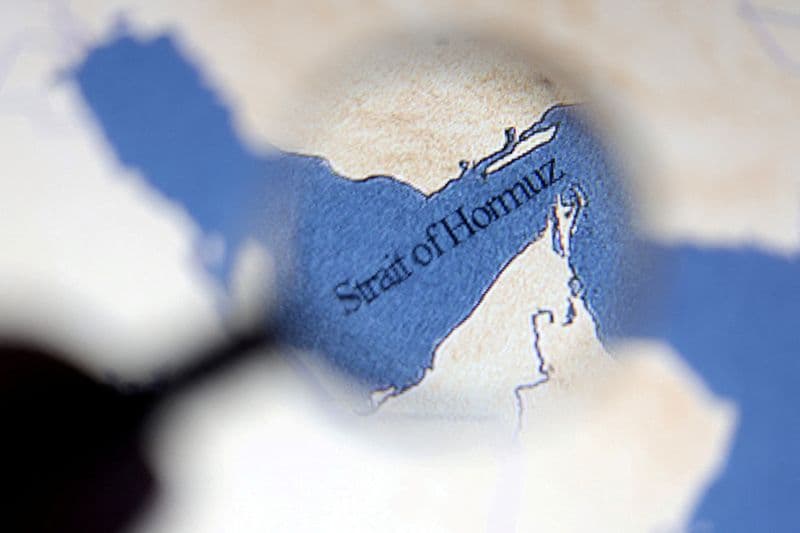
The Strait of Hormuz remains closed, and Barclays warned that the energy shock has so far been absorbed primarily through aggressive inventory drawdowns.
Global stock markets hit new highs this week on hopes for a US-Iran peace deal, but Barclays strategist Emmanuel Koh warned that a broader, more sustainable rally still depends on the opening of the Strait of Hormuz and broader market participation beyond the increasingly overheated semiconductor sector.
"Semiconductor trading is starting to look overheated, so broader market participation and continued rally depend on tangible progress on the opening of the Strait of Hormuz," Koh wrote in a note published Thursday.
Barclays acknowledged the favorable backdrop: FOMO remains high, growing money supply provides an influx of liquidity, and first-quarter results comfortably beat expectations, "largely driven by strength in AI and technology companies." The expectation that the US administration is interested in a quick resolution ahead of a possible meeting between Xi Jinping and Trump next week has further strengthened what Koh called "market sentiment for de-escalation."
However, the bank noted that these buffers are rapidly depleting, and the risk of demand disruption is gradually increasing, adding that "time is working against the market."
If a peace agreement is reached, Barclays believes that tactically, European equities will benefit the most, given their significant underperformance since the start of the war, with consumer discretionary and interest-sensitive stocks looking the most likely candidates for a recovery.
Strategically, however, Barclays maintains its preference for the US, Japan, and emerging markets over Europe.