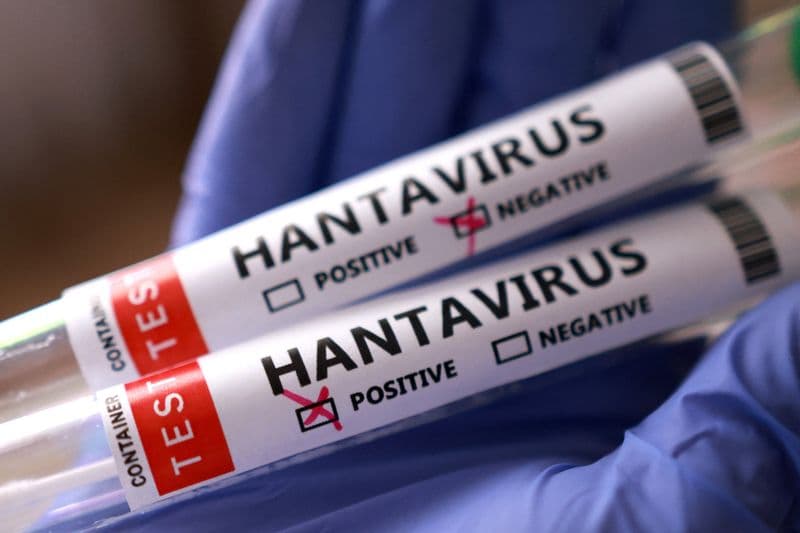
Moderna Inc (NASDAQ:MRNA) shares have surged 13% in the past few days following reports of a localized hantavirus outbreak on the MV Hondius cruise ship.
However, a research note from Bernstein Global Research downplays the risk of a widespread pandemic, suggesting the market enthusiasm may be short-lived.
Bernstein reiterated its Market-Perform rating on Moderna with a $45.00 price target, representing a 17% downside from the May 8 closing price of $54.35.
The recent stock surge came in response to public health concerns surrounding the MV Hondius, where a highly lethal Andean strain of hantavirus infected approximately 10 passengers and crew, leading to three deaths. While standard hantavirus strains are typically transmitted to humans through direct contact with rodent saliva, feces, or urine, the Andean variant has a documented history of human-to-human transmission.
Despite the case fatality rate for hantavirus cardiopulmonary syndrome (HCPS), which fluctuates between 30% and 40%, Bernstein analysts emphasized that a global crisis is extremely unlikely, stating, "We do not consider this the next 'pandemic,' and believe hantavirus-related trade should taper off from current highs."
The firm noted that the localized nature of transmission makes a repeat of the COVID-19 pandemic unlikely. Moderna remains technically well-positioned to transition to developing hantavirus countermeasures thanks to the scalability of its messenger RNA (mRNA) platform, supported by ongoing research partnerships with the Korea University Vaccine Innovation Center and the U.S. Army Research Institute of Infectious Diseases (USAMRIID).
Bernstein estimates that the company's collaboration remains strictly in the preclinical stage.
While some older, short-term vaccines for hemorrhagic fever with renal syndrome (HFRS) exist in Asian markets, there are currently no globally approved commercial vaccines for the more lethal HFRS.
Developing a comprehensive multi-strain vaccine would require Phase 1-3 clinical trials, with estimated costs exceeding $500 million.
Rather than mass consumer distribution, Bernstein predicts that any eventual commercial gains will likely manifest as stable government funding for stockpiling and pandemic preparedness programs.