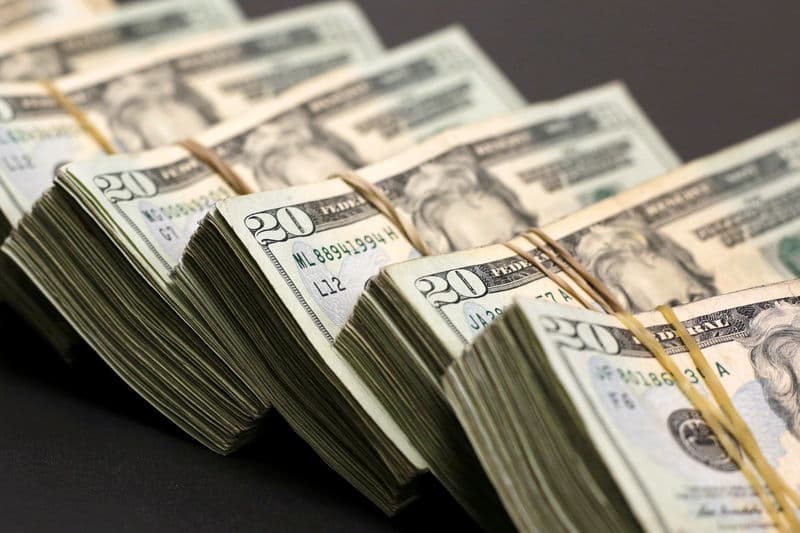
The US dollar is likely to remain supported in the short term despite the recent decline in oil prices, according to a research note from Goldman Sachs.
The report notes that easing concerns about an acute global oil shortage have helped curb expectations of a sharp divergence in global growth, mitigating some of the upward pressure on the dollar.
The recent drop in oil prices has also adjusted market expectations for an additional Federal Reserve rate hike ahead of next week's monetary policy meeting.
Nevertheless, analysts believe the overall backdrop remains favorable for the US dollar.
The report highlights two key global themes that continue to support the dollar: the ongoing investment boom in artificial intelligence and disruptions in global energy supplies.
According to the note, the US remains relatively insulated from some of the economic impacts of energy shocks compared to other major economies. This factor is helping to keep the dollar elevated, even as markets react to news of a possible ceasefire and negotiations around the Strait of Hormuz.
The report states that growing expectations that the oil supply shortage will be smaller than initially feared have helped curb volatility in currency markets.
As a result, investors are pricing in a smaller premium for the risk of additional Fed tightening at the next few meetings.
Analysts noted that global factors—such as commodity prices and stock markets—were the main drivers of currency movements earlier this year.
Recently, domestic factors, including interest rate differentials, have begun to play a more significant role in determining currency movements.
The report notes that a smaller commodity shock will likely limit the scope for significant divergence between major economies and reduce the potential for a sharp increase in currency market volatility.
At the same time, uncertainty in energy markets continues to support the dollar. The note concludes that the currency is likely to remain supported as long as negotiations continue and the Strait of Hormuz remains only partially open to shipping, even if a comprehensive agreement appears close.