Previous article
Will Bessent's intervention be a turning point for the price?
Economy
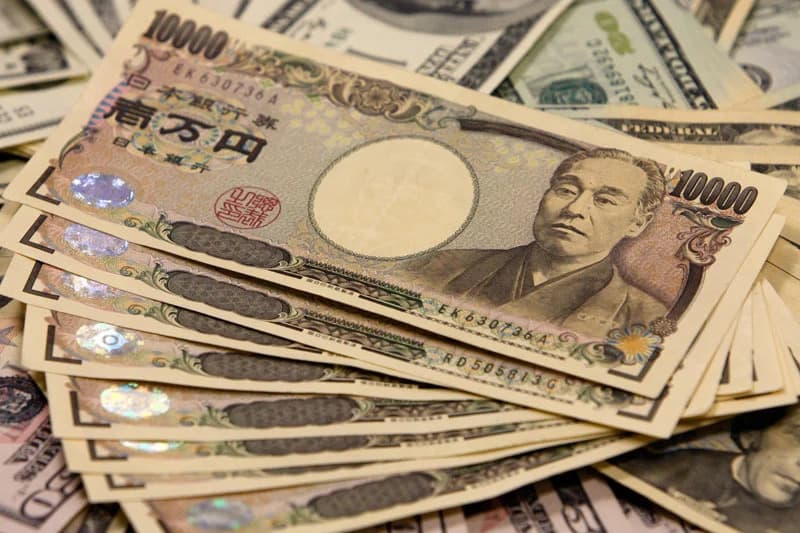
ING analysts said the yen is undervalued by about 20% against the dollar—a gap that the bank's fair value model projects through 2026.
US Treasury Secretary Scott Bessent is counting on the success of the joint US-Japanese intervention, which took place in late July.
Chris Turner, ING's global head of markets, noted that Bessent, a former hedge fund portfolio manager, invested significant political capital in this intervention—the first joint yen purchase since the 1998 Asian financial crisis.
According to Turner, Bessent's confidence is based on his belief that the yen is undervalued, as well as expectations of favorable policy changes in Japan, including faster rate hikes by the Bank of Japan. Markets are pricing in a roughly 75% chance of a BOJ rate hike in September, according to a research note. ING currency strategist Francesco Pesole reported that the bank's behavioral equilibrium exchange rate model, which takes into account terms of trade, productivity, the current account balance, and government spending, projects USD/JPY to be overvalued by more than 20% throughout 2026.
Turner cited two precedents in which central bank signals changed trends in currency markets: the Swedish Riksbank's hedging of its foreign exchange reserves in June 2023 when it deemed the krona undervalued, and Banxico's unwinding of its $7.5 billion USD/MXN short forward position in September 2023 to signal excessive peso appreciation. According to Turner, both currencies have held their levels since then. Turner pointed out that a sustained strengthening of the yen requires Japanese capital to be kept domestic, tying the currency's performance to Tokyo's new growth strategy, announced in July, which calls for 370 trillion yen ($2.3 trillion) in public-private investment by 2040.
He cited a Bank of Korea study that found Japan retains 46% of its foreign investment earnings abroad as reinvested earnings, compared with 40% in Korea, 28% in Germany, and 18% in Taiwan.
Turner noted that further structural measures could include adding Japanese government bonds to NISA accounts or reallocating assets of the Government Pension Investment Fund of Japan toward domestic instruments—possibly timed to coincide with the Bank of Japan's October 30 meeting, though he described such changes as speculative. "Having made a name for himself speculating on exchange rates, Bessent appears to be betting on a stronger yen," Turner said, adding that a sustained appreciation depends on rising domestic yields, higher economic growth, and a supportive monetary policy stance from the Bank of Japan.
ING's baseline scenario calls for USD/JPY to reach 158 by the end of 2026 and 152 by the end of 2027.