Previous article
Democratic election victory: what it means for the markets
Economy
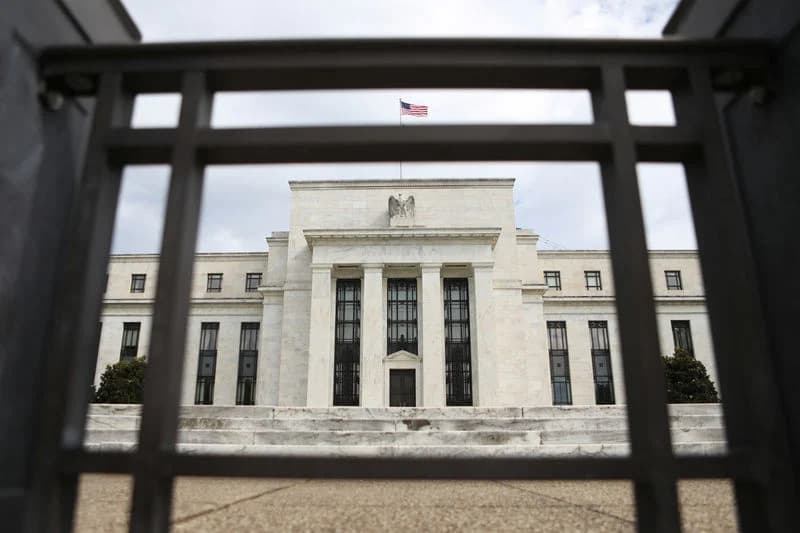
Following midterm elections, the Democrats have gained control of both chambers of Congress. Analysts believe this outcome could heighten political risks for the AI and data center sectors.
Though legislative gridlock is likely to limit the scope for major changes in the near term.
Lori Calvasina, Head of U.S. Equity Strategy at RBC Capital Markets, noted that the election results may have been more significant than most equity investors anticipated.
"In our view, the movement in the futures market largely reflects an ongoing de-risking—specifically regarding AI and large-cap growth stocks—rather than a purely defensive reaction from investors, given the resilience of the Russell 2000 index futures," Calvasina wrote.
She pointed to exit poll data from NBC News, which indicated that 76% of voters opposed the construction of new data centers in their local communities.
Bank of America stated that political gridlock remains the base-case scenario, as the Democrats lack a sufficient majority in the Senate to override a veto. However, the bank sees greater short-term risk stemming from state and local authorities in key regions where data centers are located.
"We do not expect these measures to derail the deployment of AI infrastructure, but they could make the process slower and more costly," said BofA economist Stephen Juneau.
BofA strategists expect any sharp sell-off in the equity market to be temporary, and they view the recent decline in the U.S. dollar as a short-term setback rather than a reversal of the broader trend. Capital Economics noted that the election outcome changes little in the short term; however, Democratic gains in the Senate within traditionally Republican states improve their prospects for implementing tax hikes and AI regulation should they win the next presidential election.
BMO Capital Markets expects the election results to increase volatility surrounding the AI theme, though it noted that the demand for electricity from data centers and the process of reindustrialization remain unaffected.
Lauren Hislop of Mattioli Woods believes the markets might view this outcome as a source of discipline.
"The prospect of tighter political constraints could reduce the likelihood of major fiscal or regulatory surprises at a time when investors are becoming increasingly sensitive to budget deficits, inflation, and the cost of capital," she remarked.