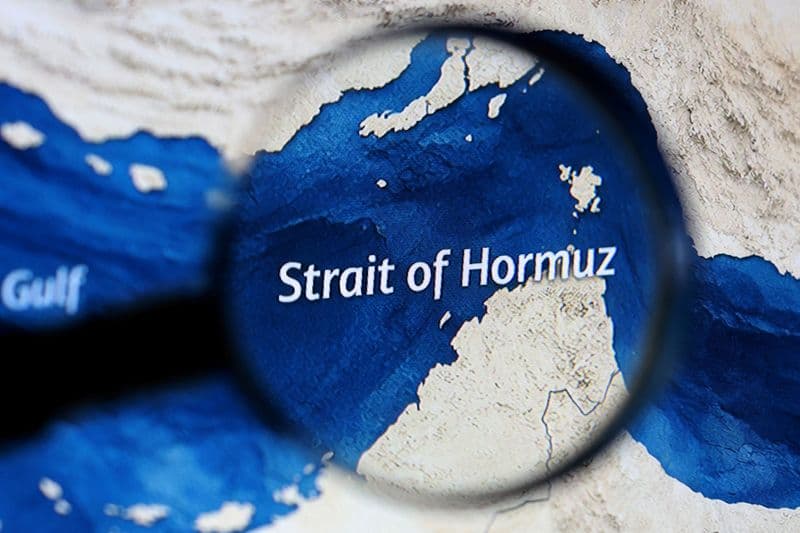
If the Strait of Hormuz remains closed until August, it will increase the risk of an economic downturn comparable in scale to the Great Recession of 2008.
The analysts' baseline scenario assumes the resumption of shipping along this route in July. In this case, the average decline in oil demand will be 2.6 million barrels per day, and spot prices for the benchmark Brent crude will reach a summer peak of around $130 per barrel.
However, if the blockage lasts longer, even more significant "demand destruction" will be required to offset the supply shock in August and September. This would potentially be enough to trigger a year-on-year decline in global oil consumption by the end of 2026. A number of leading analysts are already expecting a rare contraction in global demand this year.
"The current macroeconomic picture is less extreme than in the 1970s or 2007-2008," Rapidan analysts note in their review, citing the decline in oil intensity in global economies and more robust monetary policy mechanisms. "However, this relatively stronger starting position does not offset the risk that continued oil price surges will exacerbate financial and macroeconomic vulnerabilities."
The company estimates that if the opening of the strait is delayed until August, the supply deficit in the third quarter will increase to approximately 6 million barrels per day. Meanwhile, commercial oil inventories are already approaching critically low levels, hampering operations. Rapidan notes that even if shipping resumes in early August, the market shortage will only worsen before it improves. Crude oil inventories will continue to decline until September, as production in the Gulf gradually recovers and the first shipments reach their destinations.