Previous article
Oil prices aren't buying Trump: Markets are rising despite signs of progress between the US and Iran
Economy
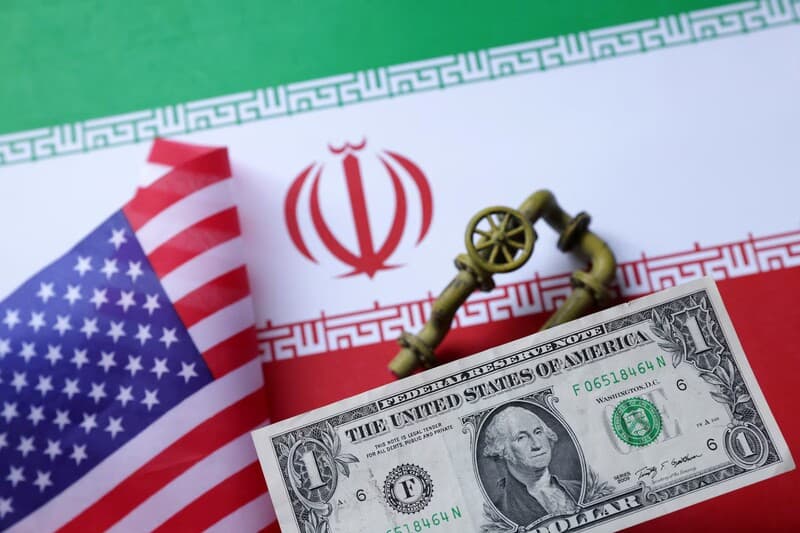
Oil prices resumed their rise on Friday after a three-day decline. Markets are pricing in conflicting signals about the progress of peace talks between the US and Iran.
The US and Iran claim progress, but remain in a bitter impasse over Iran's enriched uranium stockpiles and transit duties through the Strait of Hormuz. In morning trading in London, Brent futures rose 3.4% to $106.06 per barrel, while WTI futures rose 2.9% to $99.08. At the time of writing, July Brent futures were up 2.56%, trading near $105 per barrel. Although oil prices fell 2% last session, they have risen more than 40% since the war began on February 28.
The latest price surge occurred after Trump announced the "final stage" of negotiations. However, almost simultaneously, according to Reuters, Iran's Supreme Leader Ayatollah Mojtaba Khamenei banned the export of uranium enriched to near-weapons-grade levels from the country.
"Markets are looking for signs of progress. And while there are reasons for optimism, uncertainty reigns," ING analysts write. "A deal has repeatedly seemed close, only to have negotiations fall through. Therefore, a significant portion of the market views positive signals with great skepticism."
Supply concerns are growing. The IEA warns that global oil markets could enter the "red zone" during the summer, the high travel season, due to depleted reserves. IEA Director Fatih Birol emphasized that the energy crisis can only be resolved by fully and unconditionally opening the Strait of Hormuz, through which 20% of the world's oil and LNG passed before the war. He stated that developing countries in Asia and Africa will be hit hardest by the crisis.
However, there will be no quick return to normal.
"Energy executives warn that the full normalization of oil supplies from the Middle East could take until 2027 due to the scale of logistical disruptions," notes a recent report from MUFG.