Morgan Stanley has identified four main forces that, in its opinion, will shape the global macroeconomic landscape in 2026.
The thematic approach remains an essential tool for navigating market volatility and structural change.
The bank's four key themes for this year are the spread of AI/technology, the future of energy, a multipolar world, and societal shifts. Three of these themes have remained unchanged since last year, the firm notes, while the societal shifts mark an evolution of their previous longevity theme.
"We see a variety of trends having a broad impact on society around the world, with effects felt across a surprisingly wide range of industries," JPMorgan strategist Stephen Bird said in a note.
"The ripple effects of AI-driven employment disruption/evolution, aging populations, changing consumer preferences, aspirations for healthy longevity, and challenging demographics in many regions will continue to have implications for governments, economies, and corporations."
As part of its four themes, Morgan Stanley presented 10 macro forecasts for 2026.
1) Two worlds of LLM progress and AI adoption: The Bank expects American advanced Large Language Models (LLM) to make a significant leap in capabilities in the first half of 2026, while Chinese competitors will lag behind in the same period. Concerns about implementation are expected to give way to optimism in the second half of the year, as the benefits become more visible.
2) Demand for computing power exceeds supply: It is predicted that the increasing complexity of AI and wider adoption will push demand for computing power significantly above supply growth, with Morgan Stanley arguing that the economics for large-scale AI infrastructure are becoming increasingly attractive.
3) Robust U.S. Policy Agenda: The Trump administration is expected to act more aggressively than markets suggest in securing critical minerals, stimulating domestic production, increasing military spending focused on innovation, and lowering consumer costs.
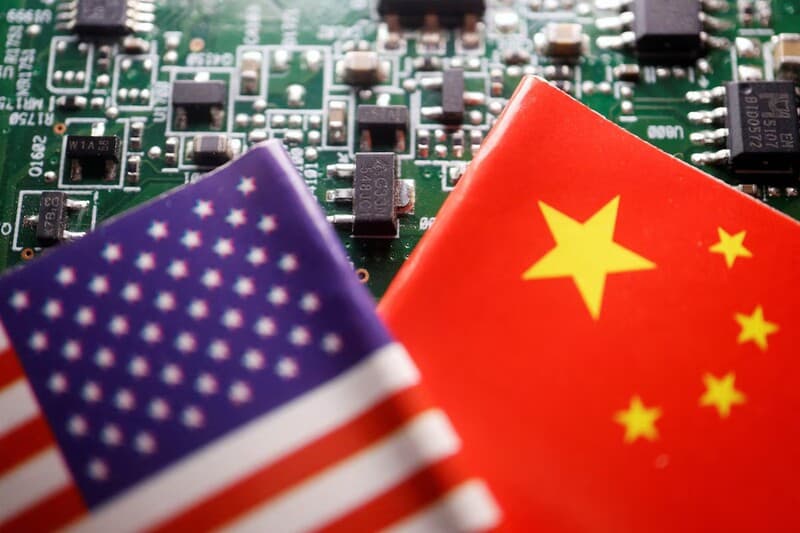
4) AI technology transfer and national self-sufficiency: China is expected to put pressure on the United States to gain greater access to AI technology, while accelerating its own progress towards "gross domestic intelligence," with national gaps in AI capabilities shaping future trade dynamics.
"In response to forecasts 1-3, China is putting pressure on the United States to allow more extensive transfer of AI technology to China. The disparity in AI capabilities at the national level may affect the dynamics of trade," Bird wrote.
5) Energy policy: Rising global energy costs are likely to trigger a backlash against data center expansion and spur political support for low-cost and autonomous energy solutions, the strategist said.
6) Convergence of AI and energy infrastructure: Major AI players are expected to take greater control of energy assets to provide reliable, low-cost energy and improve efficiency through AI optimization.
7) China's manufacturing growth and the return of manufacturing to the United States: China is projected to expand the global share of technology-rich manufacturing, while the United States will benefit from a "renaissance of manufacturing return" as technology reduces the advantage of cheap labor.
8) Latin America's investment cycle: Changes in politics, geopolitics and peak interest rates, according to Morgan Stanley, are pushing the region towards a new phase of growth based on investment rather than consumption.
9) Retraining and intervention in connection with job losses due to AI: Governments and corporations are expected to launch large-scale retraining programs, along with policy responses to real or perceived employment disruptions caused by AI.
10) "Transformational AI" is changing the economy: By the second half of 2026, Morgan Stanley expects early signs of deflation in some parts of the economy, higher capital expenditures, changing asset valuations, and the growing importance of assets that cannot be "replicated" by AI.