Ground Floor, The Sotheby Building, Rodney Village, Rodney Bay, Gros-Islet, Saint Lucia, Post code (Rodney Bay): LC01 401
[email protected]
+971 444-885-37
Trading

  • Open an account
  • Account types
  • Markets
  • Platforms
  • Trading conditions
Services

  • News
  • Dashboard
Miscellaneous

  • Documents
  • Privacy Policy
  • Disclaimer
  • Terms of Service

© 2026 Primаx

primaxbroker.com is owned by PrimaX Ltd.

PrimaX Ltd adheres to international standards in the field of KYC and AML policy, as well as risk disclosure. Copying of materials without the consent of the company’s management is prohibited.

Currently, PrimaX Ltd provides services related to business involving virtual assets through the implementation of a trading platform and tools available via the website or for download, for trading cryptocurrencies, CFDs/Forex, and other financial instruments, in accordance with the legal opinion dated January 8, 2026.

Disclaimer and Risk Notice:

The information on the website does not constitute investment advice. Please remember that activities in the financial markets involve risks and may result in partial or total loss of funds.

The brokerage company PrimaX does not provide services to U.S. citizens.

  1. Home
  2. Service
  3. News
  4. Barclays: wait f...0% before buying
  • Home
  • Copytrading
  • Affiliate program
  • News
  • About

Loading...

03.03.2026

Loading...

03.03.2026

Categories

AllCompanyСryptocurrencyEconomy

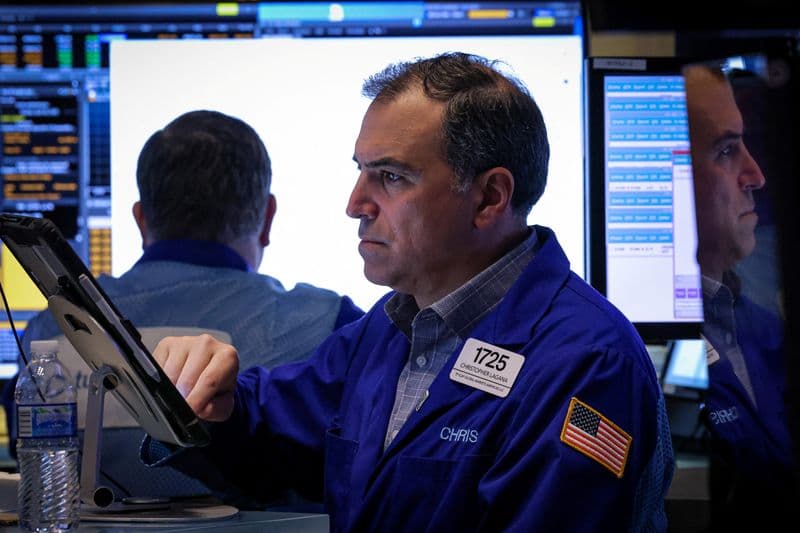
Barclays: wait for the S&P 500 to drop 10% before buying

01.03.2026
Economy
Barclays: wait for the S&P 500 to drop 10% before buying

Global stock markets were braced for a volatile open after the US and Israel launched Operation Judea Shield, a preemptive strike against Iran that prompted swift retaliation in the Middle East.

Iran fired missiles at US bases and allied targets in several countries, with explosions reported in Dubai, Riyadh, Abu Dhabi, Bahrain, and Kuwait. The escalation followed the assassination of Iran's Supreme Leader Ayatollah Ali Khamenei in a joint operation.

Israeli officials also listed several high-ranking figures killed in the first wave, including Defense Minister Aziz Nasirzadeh, Security Council head Ali Shamkhani, and IRGC commander Mohammad Pakpour.

Despite the dramatic geopolitical turn, some strategists cautioned that the market impact could be limited. Vital Knowledge analyst Adam Crisafulli said recent history shows that stock markets tend to absorb such shocks.

"As has been the case over the past few years, with numerous instances of clearly significant geopolitical conflicts, the impact on US equities is typically ephemeral, and there's no reason to believe this time will be any different," Crisafulli said.

Barclays head of research Ajay Rajadhyaksha took a more cautious stance. He said Iran "may not have the capacity to wage a sustained military campaign," adding that the missile attack could be aimed primarily at domestic audiences, "demonstrating resolve without crossing a threshold that requires further US retaliation."

However, Rajadhyaksha cautioned that the risk landscape has changed. While there are reasons for the conflict to remain localized, he said the tail risk of a wider conflagration is higher than in recent years. Investors should resist the urge to immediately buy into any market dip, he added. "History strongly supports selling the geopolitical risk premium when hostilities erupt," Rajadhyaksha said. But he cautioned that markets may be underestimating the likelihood that tensions will persist.

"We recommend against buying into any immediate dip—the risk-reward profile does not appear attractive. If stocks fall significantly enough (say, more than 10% in the S&P 500), it will likely be a good time to buy. But not now," Rajadhyaksha concluded.

More like this
Rubio: Iran built hundreds of missiles, posing an unacceptable risk
02.03.2026
Gold price gains following Iran attack may ease
02.03.2026
The humanoid race: can the US and China coexist?
01.03.2026
Previous article

The humanoid race: can the US and China coexist? - The global race for humanoid robots is becoming increasingly intense. For years, the narrative was simple: the US develops the "brains," while China manufactures the hardware.

Next article

Rubio: Iran built hundreds of missiles, posing an unacceptable risk - Secretary of State Marco Rubio addressed reporters at the Capitol on Monday, claiming that Iran was producing hundreds of missiles per month and posed an unacceptable risk.