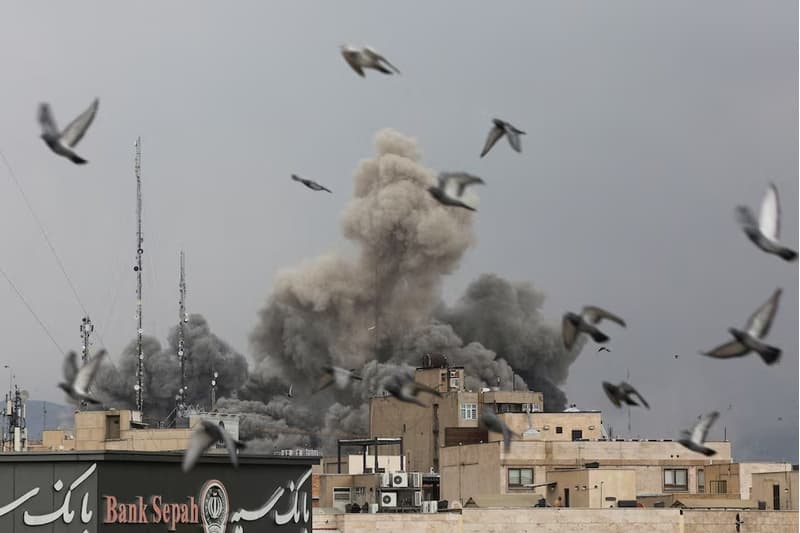
Goldman Sachs Chairman and CEO David Solomon said financial markets have shown a surprisingly calm reaction to the war with Iran as the conflict enters its fifth day.
Speaking at the Australian Financial Review Business Summit on Tuesday, Solomon noted that he was surprised by the market reaction given the scale of the situation. Investors are primarily focusing on oil prices after Iran announced it had closed the Strait of Hormuz and that any vessel passing through it would be targeted.
Solomon stated that it will take several weeks for markets to fully process the short- and medium-term implications of this.
Key questions remain about whether the conflict will become more protracted and whether it will begin to impact energy supply chains or influence consumer sentiment and behavior around the world, he added. The CEO of Goldman Sachs also noted that there is insufficient information or data to draw firm conclusions at this time.
Major U.S. indexes are trading slightly higher shortly after the open on Wednesday.
U.S. Treasury yields are rising, defying the typical safe-haven scenario. During geopolitical conflicts, investors typically flock to bonds, pushing prices higher and yields lower. This time, bond prices are falling and yields are rising, as investors fear that higher energy prices could fuel inflation and keep interest rates elevated longer.
Oil prices were calmer early in Wednesday's trading session after President Trump announced Tuesday that the U.S. would provide insurance to tankers in the Persian Gulf to help resume shipping through the Strait of Hormuz, one of the world's most important oil arteries. Trump said on Tuesday that a war with Iran could lead to high oil prices for a while, but predicted prices would be lower after the conflict subsides.