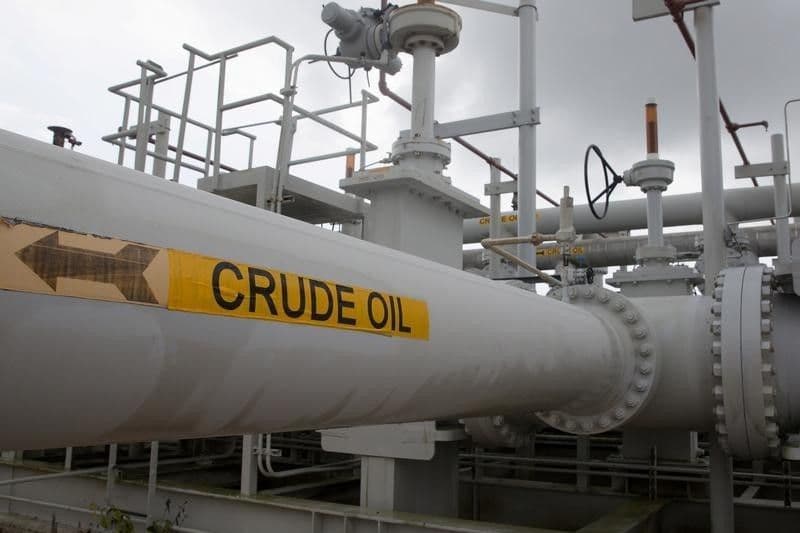
The Trump administration initiated a massive drawdown of the US Strategic Petroleum Reserve (SPR), issuing a formal request on Friday for an 86 million barrel exchange.
This move, aimed at stabilizing global energy markets, marks the beginning of a broader release of 172 million barrels announced earlier this week as the US and its allies scramble to contain rising fuel prices.
Emergency Liquidity and Market Relief
According to the US Department of Energy (DOE), crude oil supplies are expected to begin entering the market by the end of next week. The 86 million barrel exchange is part of a coordinated 400 million-barrel effort with international partners to lower the prices of gasoline, diesel, and jet fuel. Fuel prices soared following the US-led invasion of Iran, which effectively paralyzed shipping through the Strait of Hormuz—a critical artery for approximately 20% of global oil supplies.
Under the terms of the swap, participating companies will be required to return the borrowed oil to the Energy Department at an additional premium in barrels. Bids for the swap are due by 5:00 PM Central Time on March 17. The administration outlined a long-term plan to replace the withdrawn oil with approximately 200 million barrels over the next year, representing a 20% surplus compared to the total cut.
Geopolitical Stakes and Midterm Election Pressure
The aggressive release underscores the intense political pressure on the White House to address domestic inflation before the November midterm elections. With the conflict in Iran showing no signs of an immediate "solution," the administration is using the SPR as its primary tool to mitigate the "persistent" inflation shock that has begun to undermine real household incomes.
Oil futures received temporary relief after the announcement of the release of 172 million barrels. However, analysts remain cautious about whether this release will be able to offset the structural deficit caused by the halt in Persian Gulf shipping. The Energy Department's announcement underscores a shift in strategy to prioritize immediate relief for consumers, as the overall economy faces a heightened risk of a recessionary downturn.