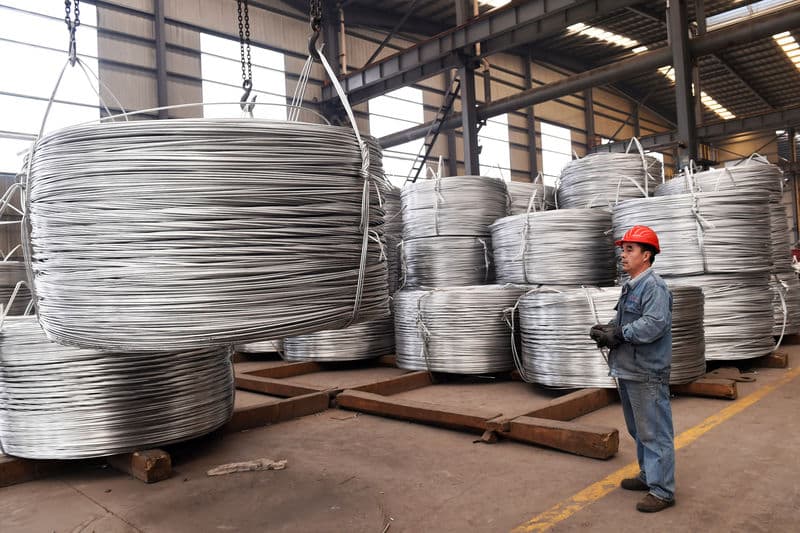
Aluminum, one of the metals most severely affected by the war in Iran, is struggling to find buyers in China after a sharp price jump to a four-year high, Bloomberg reports.
Despite the traditionally busy period for smelters following the Lunar New Year holiday, demand is disappointing, and inventories continue to grow. Primary aluminum stockpiles have exceeded 1.3 million tons, reaching their highest level since 2020. Increased exports are planned to eliminate the domestic oversupply.
"Chinese refiners have slowed purchases to a level just sufficient to meet current needs," notes Huang Yuyao, an analyst at research firm Mysteel Global.
The weak performance of this widely used industrial material could be a worrying sign for the entire Chinese economy. While the economy showed a recovery in the first two months of the year, it is now grappling with the impact of high energy prices and disruptions caused by the conflict in the Middle East.
As Howard Lau, China raw materials analyst at HSBC Holdings Plc, notes in a research note, while capacity utilization at aluminum refineries has increased since the holiday, overall demand still lags last year's levels due to high prices.
The slowdown in primary aluminum demand is reverberating throughout the domestic supply chain. According to Mysteel, semi-finished product inventories are around 600,000 tonnes, roughly 75% of last year's level. Aluminum prices soared this month after US-Israeli strikes on Iran disrupted production and shipping in a region that accounts for about 9% of global supply.
However, the gradual price rise that preceded the war has already begun to dampen demand in the world's largest producer and consumer of the metal. While prices on the London Metal Exchange have risen 27% over the past 12 months, they have risen only 19% in Shanghai, increasing opportunities for profitable exports.
China's overseas shipments of unwrought aluminum and aluminum products have already risen 13% in the first two months of 2026. The country's habit of boosting exports due to weak domestic demand has traditionally caused discontent in the global economy, but in the coming months this trend will most likely be perceived with relief against the backdrop of a shortage of Middle Eastern supplies.