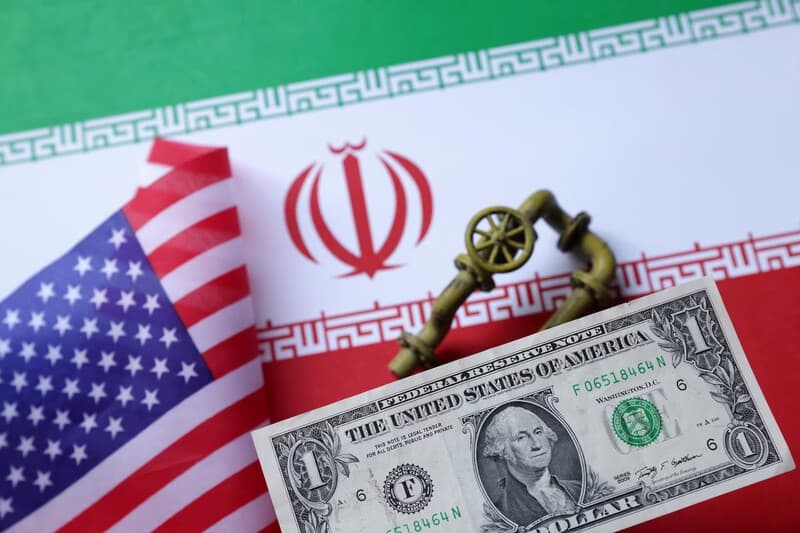
The dollar and oil are trading in sync following the US-Iran truce this week, pushing the correlation between them to a near-record level.
The index, which tracks the 30-day correlation between the price of US oil and the Bloomberg Dollar Index, has risen sharply since early March. It is now approaching the peak last seen a year ago, when Trump announced aggressive trade tariffs.
Follow the dollar and other currencies with an InvestingPro subscription.
On Wednesday, the dollar index fell 1.1% to a four-week low as news of the temporary truce sent US crude oil prices plummeting by 16%. The dollar traded steadily on Thursday, while oil rose 5% amid signs that the ceasefire is fraying ahead of peace talks scheduled for Friday.
"There are no other major drivers for the currency market in this war at the moment, so the correlation is focused on oil," said Noah Buffam, a strategist at CIBC Capital Markets. "The risk of a breakdown in the talks should maintain some risk premium in the dollar."
The dollar has several direct links to oil, which has led to a close correlation since early March. The United States is the world's leading oil producer, and the war in Iran has driven foreign demand for American crude to record levels. Ample domestic supply means the US economy is better prepared to withstand an energy price shock. The dollar is also the currency of global oil trading. If oil prices are able to stabilize, even within a wider range, the correlation with the dollar "should weaken," according to Peter Vassallo, portfolio manager at BNP Paribas Asset Management USA.
"It would take further escalation or increased oil price volatility for this correlation to remain high or even increase," Vassallo added.