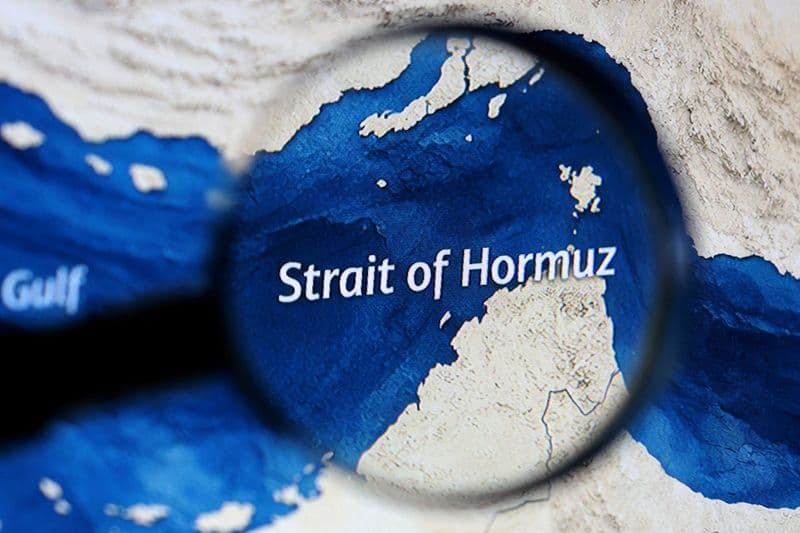
The global energy market is facing a structural crisis as the conflict in the Middle East effectively shuts down one of the world's most important maritime arteries.
According to a new report from BofA Global Research, "Global Energy Weekly," crude and refined product shipments through the Strait of Hormuz have plummeted from approximately 20 million barrels per day (mbd) to less than 2 mbd.
Analysts warn that if these disruptions last more than a few weeks, the world faces a supply chain collapse reminiscent of the major energy crises of the 1970s.
Strategic Shortages and Price Shifts
Global oil prices have not yet fully reflected the scale of the shock, largely due to emergency stockpile releases and "oil still in transit," but satellite data indicates a rapid tightening of the market. BofA significantly revised its baseline forecasts to account for a longer conflict, now projecting a massive supply shortfall of 4 mbbl/d for the second quarter of 2026. Consequently, the company raised its average annual Brent crude price forecast to $92.50 per barrel.
The report highlights the growing divergence between producers and consumers. While inventories are rapidly accumulating in Gulf producing countries unable to export, consuming countries are reducing inventories at an unsustainable pace.
Limited supply compensation is available through Saudi Arabia and the UAE pipelines. BofA projects that a prolonged shortage will require a 4-5% year-on-year reduction in global energy demand.
Demand Rationing and a Broken Supply Chain
The lack of immediate alternatives to oil, particularly in the transportation and petrochemical sectors, creates a significant risk of demand rationing. BofA analysts argue that the current market complacency, based on the hope of a short war, could soon give way to extreme price volatility.
If the conflict lasts beyond the next two to four weeks, the global oil supply chain could reach a critical point, forcing mandatory reductions in energy consumption to balance the market.
The primary concern for institutional investors now lies not only with price but also with physical availability. "Reshuffled" energy flows are creating a "stagflationary" drag on global growth, as high energy costs are exacerbated by the physical inability to deliver product to key refining hubs.
Markets are now closely monitoring whether emergency international intervention can restore maritime security before buffer stocks in consuming countries are completely depleted.