Ground Floor, The Sotheby Building, Rodney Village, Rodney Bay, Gros-Islet, Saint Lucia, Post code (Rodney Bay): LC01 401
[email protected]
+971 444-885-37
Trading

  • Open an account
  • Account types
  • Markets
  • Platforms
  • Trading conditions
Services

  • News
  • Dashboard
Miscellaneous

  • Documents
  • Privacy Policy
  • Disclaimer
  • Terms of Service

© 2026 Primаx

primaxbroker.com is owned by PrimaX Ltd.

PrimaX Ltd adheres to international standards in the field of KYC and AML policy, as well as risk disclosure. Copying of materials without the consent of the company’s management is prohibited.

Currently, PrimaX Ltd provides services related to business involving virtual assets through the implementation of a trading platform and tools available via the website or for download, for trading cryptocurrencies, CFDs/Forex, and other financial instruments, in accordance with the legal opinion dated January 8, 2026.

Disclaimer and Risk Notice:

The information on the website does not constitute investment advice. Please remember that activities in the financial markets involve risks and may result in partial or total loss of funds.

The brokerage company PrimaX does not provide services to U.S. citizens.

  1. Home
  2. Service
  3. News
  4. The yuan liquidi...prices below par
  • Home
  • Copytrading
  • Affiliate program
  • News
  • About

Loading...

09.04.2026

Loading...

09.04.2026

Categories

AllCompanyСryptocurrencyEconomy

The yuan liquidity crisis has driven OFZ bond prices below par

20.03.2026
Economy
The yuan liquidity crisis has driven OFZ bond prices below par

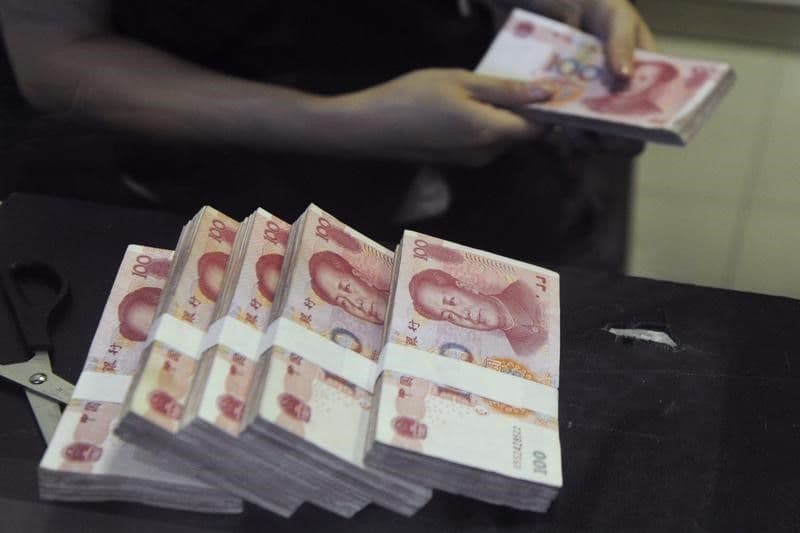
The yuan liquidity shortage in Russia, triggered by a sharp rise in money market rates, has hit the new segment of government bonds (OFZs).

By March 19, prices for both yuan-denominated government bond issues had fallen below par, to 95.7–96.1%. Yields on the bonds rose to 7.64–7.94% per annum, compared to 6.08% to 7.07% when they were issued in December 2025, according to Vedomosti.

The crisis began in January 2026, when the RUSFAR CNY yuan exchange rate indicator soared several times. By February, the situation had worsened: the rate jumped by 9.07 percentage points to 10.08% and has since demonstrated extreme volatility, reaching 43.93%. Experts cite import payments before the Chinese New Year, when liquidity was drained from the Russian market, as one of the reasons for the shortage. The situation was also influenced by the placement of OFZs in December, totaling 20 billion yuan, which, according to Alexander Afonin, head of bond market analysis at Sinara investment bank, absorbed significant amounts of foreign currency from the banking system.

Amid expensive funding, investors began reducing their positions in yuan bonds to maintain their own liquidity. While purchasing securities through repo was previously profitable due to near-zero rates, systemic volatility has now reduced the appeal of this strategy, notes Alexandra Nikiforova, a debt market analyst at Euler. The weakening ruble is partly curbing market pressure: since the end of January, the yuan has appreciated by 14% to 12.47 rubles, generating income for holders due to foreign exchange revaluation.

Analysts expect the situation to stabilize in the spring, says Artem Privalov, portfolio manager at Alfa Capital. The deficit could be eased by the scheduled redemptions of corporate bonds by Rusal and Gazprom totaling 6 billion yuan, as well as an influx of revenue from exporters amid the rise in Brent crude oil prices to $112 per barrel. Furthermore, the Ministry of Finance plans to launch Federal Treasury repo operations in yuan, and banks have already begun actively using Central Bank swaps to plug currency gaps. A key event will be the May redemption of $3 billion in Eurobonds, the proceeds of which the ministry had previously planned to reinvest in new yuan-denominated instruments.

More like this
The dollar and oil are moving in sync with geopolitics in mind
09.04.2026
Dallas Fed: Extended Hormuz closure could push oil prices to $167
07.04.2026
Oil continues to rise amid Trump's Strait of Hormuz ultimatum
06.04.2026
Previous article

Missile strikes destroyed the world's largest LNG plant, threatening a protracted shortage - Qatari authorities have officially reported "significant damage" to the Ras Laffan complex, the world's largest LNG production facility, as a result of a series of Iranian missile strikes.

Next article

The US will require stablecoin issuers to combat sanctions evasion - The US Treasury Department states that the proposed rule encourages innovation in payment stablecoins while mitigating potential risks of illicit financing.