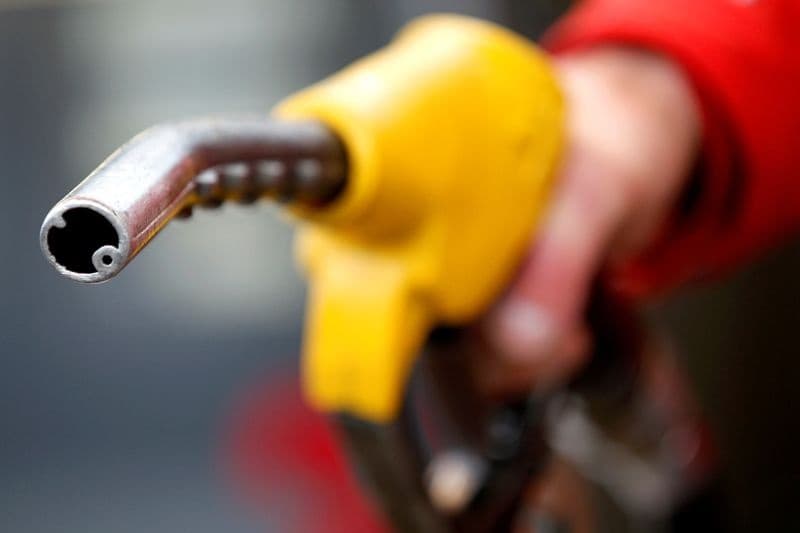
The average price of gasoline in the US has surpassed the $4 per gallon mark (approximately $1.06 per liter) for the first time since August 2022, Bloomberg reports.
In just one month of fighting in Iran, fuel prices have risen by more than a dollar—on the eve of the start of the US-Israeli military campaign against Tehran, the price of a gallon was $2.98.
The current 30-day rally has gone down in history as one of the sharpest price hikes in the past 20 years.
The situation with commercial vehicles is even more dramatic: retail diesel prices have already exceeded $5.40 per gallon, threatening a significant increase in logistics costs for the entire economy and a new round of commodity inflation.
The rapid rise in prices at the pump is becoming a serious political threat to Donald Trump. At the same time, the situation is making the task of the Federal Reserve and its Chairman Jerome Powell extremely difficult, as they must balance rigorously curbing inflation with maintaining employment.
The political consequences are already clear: according to an Associated Press poll conducted from March 19 to 23, 61% of American adults disapprove of Trump's economic policies.
The impact of gas prices on social sentiment can be measured mathematically. According to research by Ryan Cummings and Neil Mahoney of Stanford University's Institute for Economic Policy Research, every $1 increase in gas prices leads to a drop in the University of Michigan consumer sentiment index by at least 4.5 points (even after accounting for other economic factors).
"Roughly speaking, for every dollar increase in the price of gasoline, people's perceptions of the economy are 5% worse," notes Cummings, a former staff economist at the Council of Economic Advisers in the Biden administration who oversaw fuel policy.