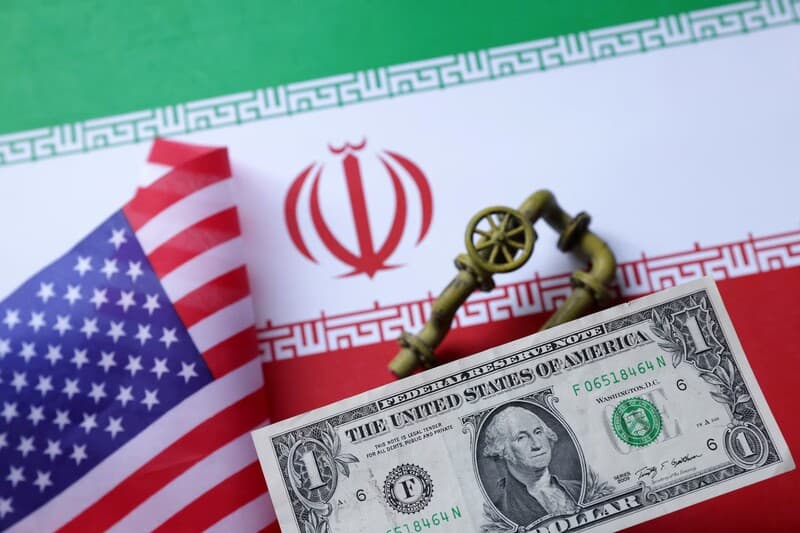
Peace talks between the US and Iran have collapsed in Islamabad after a marathon 21-hour session that failed to yield any long-term nuclear commitments from Tehran.
Iran says it will block safe passage through the Strait until the US agrees to a deal. "Iran is in no hurry, and until the US agrees to a reasonable deal, the situation in the Strait of Hormuz will not change," Fars News Agency reported, citing an unnamed official.
"Despite various initiatives by the Iranian delegation, the unreasonable demands of the American side have hindered the progress of the negotiations. Thus, the talks have ended," IRIB reported on Telegram.
The Islamic Republic has stated that it does not plan further nuclear talks with the US after Pakistan-hosted talks failed. "No time, place, or next round of talks has been announced yet," reported Nour, the news agency of Iran's Supreme National Security Council.
Vice President J.D. Vance announced early Sunday morning that he was leaving Pakistan without an agreement, citing Iran's refusal to guarantee it would not develop nuclear weapons in the future. He clarified that the offer of a nuclear deal with Iran remains open but is final.
"We are leaving here with a very simple proposal, a method of understanding, which is our final and best offer," he said at a press conference. "We'll see if the Iranians accept it."
The collapse of the talks, reported by the Wall Street Journal, puts the current fragile two-week ceasefire in immediate jeopardy.
Nuclear safeguards remain a 'red line'
The main obstacle to a deal has been Washington's demand for a permanent renunciation of nuclear ambitions. The US continues to claim that Iran's current nuclear infrastructure was dismantled as a result of the recent strikes.
Vance emphasized that the Iranian delegation, led by Parliament Speaker Mohammad Bagher Ghalibaf, lacked a "fundamental commitment" to the long-term.
"The simple question is: Do we see a fundamental commitment from the Iranians not to develop nuclear weapons, not just now, not just in two years, but over the long term?" Vance said during a press conference in Islamabad. "We haven't seen that yet."
He confirmed that the US team was returning home, stating bluntly, "They decided not to accept our terms."
Trump Signals 'Victory' as Military Readiness Enhances
With the diplomatic channel closed, President Trump downplayed the failure, claiming the US holds a strategic advantage. "Whether we make a deal or not is irrelevant to me," Trump said, adding, "And the reason is we won."
Despite the positive rhetoric, the administration is preparing for a potential resumption of hostilities. Trump noted that the US is currently "loading ships" with ammunition and weapons in case the ceasefire completely breaks down.
The naval theater remains a flashpoint. While the US confirmed that two destroyers successfully transited the Strait of Hormuz on Saturday, the first such move since the war began, the IRGC Navy publicly denied the transit.
Iranian officials warned that any attempt to challenge their control of the waterway would be met with a "firm and decisive response."
The US delegation's departure without an agreement on "safe passage" for energy exports suggests that the blockade of the Strait of Hormuz and the associated "war premium" on oil and shipping are likely to remain in place.