The debate over the safe-haven properties of Bitcoin and gold remains unresolved.
Markets rose on Friday after Iran declared the Strait of Hormuz open to shipping following a ceasefire between Israel and Lebanon.
Capital noted in its report that after the initial shock, retail traders "didn't switch to Bitcoin. They switched to oil," even though Bitcoin has quietly risen nearly 20% from its post-conflict lows.
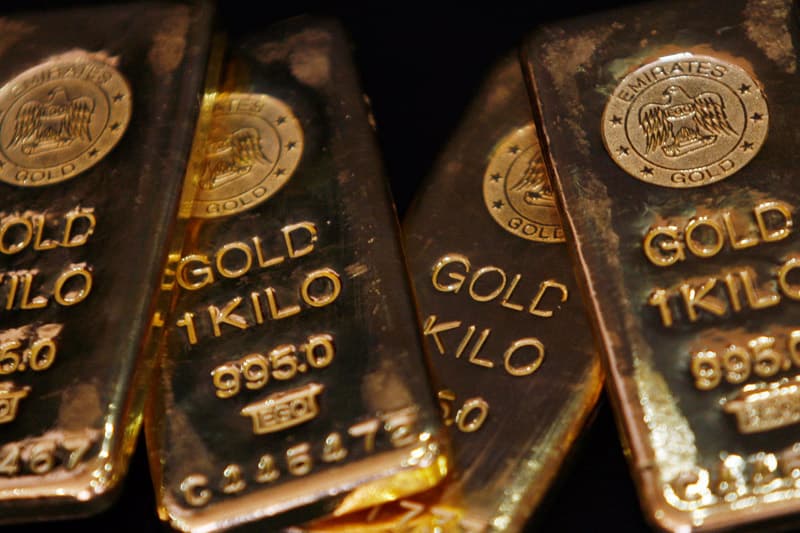
The platform's data shows that Bitcoin participation has fallen 9% below pre-conflict levels, while gold "has maintained its position as a traditional safe-haven asset in the crisis." Oil saw the strongest rotation, with unique traders up 328% and volumes up 1,042% compared to pre-conflict averages.
"When US and Israeli strikes reached Iran on the evening of February 28, Bitcoin's immediate market reaction left no ambiguity. Within hours, more than $128 billion in cryptocurrency market capitalization was wiped out. Bitcoin fell from roughly $66,000 to $63,000. Gold rallied," the company wrote.
This reaction, Capital said, reflected growing institutional ownership of Bitcoin, which is now subjecting it to the same "risk-off selling that affects equities during geopolitical shocks."
However, Bitcoin's recovery has been complicated. It has outperformed equities throughout the conflict, fueled in part by geopolitical dynamics that have revived its anti-fiat narrative. Capital highlighted reports that Iran demanded Bitcoin for certain payments during the closure of the Strait of Hormuz, calling it an example of "its use as an alternative payment system."
Senior market analyst Kyle Rodda stated that the episode shows that Bitcoin remains subject to "significant divergent currents," with inflation, sanctions, and risk sentiment pulling it in different directions.
"The safe-haven debate has gained new data—and neither side is clearly winning," the company concluded.