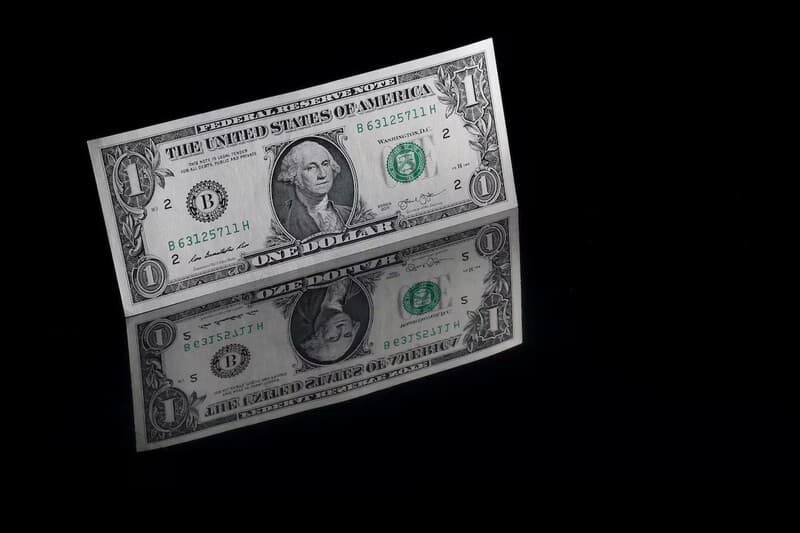
The ongoing conflict in the Middle East has strengthened the status of the US dollar.
According to the international Swift system, in March, the share of the US currency in global settlements increased from 49.2% to a record 51.1%. The euro is in second place with a huge gap (about 21%), followed by the British pound, yen, and yuan. This is reported by Bloomberg.
The dollar's rise is driven by its status as a safe-haven currency. As the United States and Israel launched attacks on Iran, investors began to sell risky assets and shift their portfolios towards the US dollar.
However, the markets have since calmed down.
"Markets are placing their bets on President Trump's desire to end the war in Iran, viewing the escalation as an unlikely risk, although the actual situation remains uncertain. Investors are once again drawing optimism from strong corporate earnings, the AI boom, and the resilience of American consumers," Bloomberg strategists noted.
The end of de-dollarization?
New data is striking against theories about the imminent rejection of the US currency by the global economy. A group of JPMorgan analysts led by Joyce Chang commented on the situation as follows:
“The weakness of the dollar observed last year did not lead to any decrease in its role as a reserve or base currency for capital markets. Rather, we see a trend towards diversification, and real data does not confirm a large-scale rejection of the dollar.”
As for competitors, China continues to develop its own payment system, CIPS (similar to Swift), but its global adoption is slow. The share of the Chinese yuan in Swift transactions increased slightly in March, to 3.1%, but it is still below historical highs.
Although Swift statistics do not cover the entire global currency market (due to the exclusion of major Russian banks since 2022), the system processes over 13 billion transactions per year and remains a key barometer of global trade.