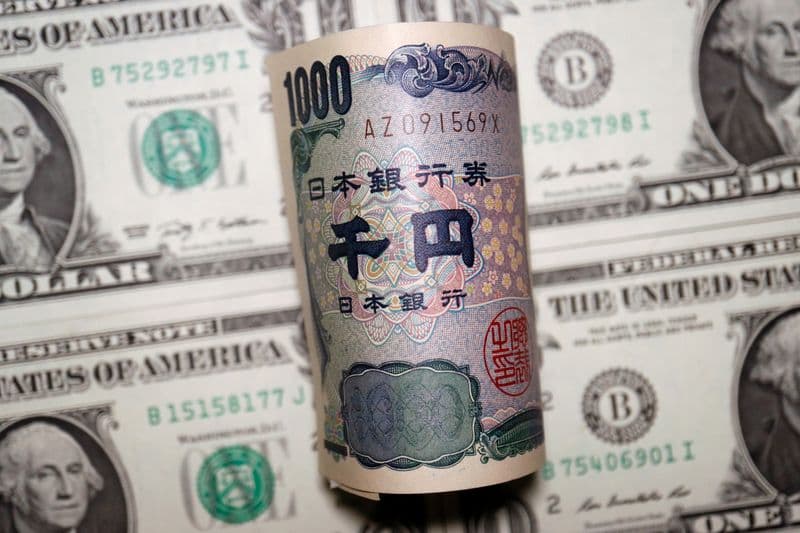
The US dollar weakened slightly on Monday as investors looked to other currencies following news that Iran had halted military operations against Israel.
By 3:34 PM, the US dollar index, which tracks the greenback against a basket of six major currencies, was down 0.1% at 99.93. Meanwhile, the euro rose 0.2% against the dollar to $1.1542, while the British pound gained 0.1% to $1.3354.
Iran's military announced a halt to military operations against Israel, the state-run Fars News Agency reported.
US President Donald Trump earlier called on Israel and Iran to stop renewed attacks after renewed fighting continued on Monday, dampening hopes for a quick peace deal between Washington and Tehran.
Brent crude futures, the global oil benchmark, pared earlier gains; The contract last traded 1.7% higher at $94.71 per barrel. The contract is hovering below recent peaks above $100 per barrel, but continues to exceed pre-war levels.
Concerns have grown that the prolonged closure of the Strait of Hormuz—a vital channel for global oil flows—will keep crude prices high, fueling inflationary pressure and persuading central banks to keep interest rates high longer.
The dollar has strengthened since the war began in late February, largely due to the belief that the US economy, as a major energy exporter, could be relatively immune to an Iran-related oil shock.
In other news, traders analyzed last week's monthly jobs report, which showed the US economy added 172,000 jobs in May, significantly above market expectations.
Markets have increased bets on a Fed rate hike later this year, with investors now placing a higher probability on a move by the end of 2026.
"The dollar is enjoying broad support. The bearish flattening of the US yield curve, as the market begins to price in a tightening Fed, and the sell-off in risk assets led by the tech sector are the main drivers behind this move," ING analysts wrote in a note.
In Asia, the yen traded just below 160, a critical level that has previously triggered foreign exchange market interventions by Japanese authorities.