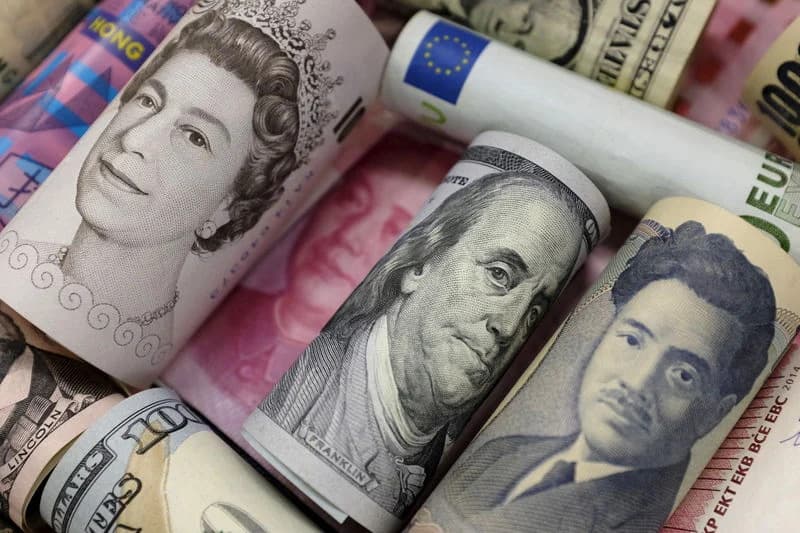
Currency traders are starting to buy protection against sharp exchange rate fluctuations after several months of calm.
The indicator of expected volatility for major currencies has risen slightly, although it remains near five-year lows.
However, the backdrop is far from calm: the Fed, under new Chairman Kevin Warsh, has abandoned a clear rate roadmap, and clashes between the US and Iran threaten the fragile truce.
Barclays strategists believe the gap between low volatility and high uncertainty will not last long.
"Low volatility in forex is driven by low market conviction, not low macroeconomic uncertainty," wrote a team led by Marek Raczko, recommending buying instruments that will generate profits if the euro-dollar pair volatility intensifies.
Signs of a shift are already emerging: short-term hedging costs for the euro and pound rebounded from their lows this week as options began factoring in the upcoming US inflation report. Without clear guidance from the Fed, each data release is far more significant than at any time in recent years.
The main victim of a potential surge is the carry trade, this year's most profitable currency strategy (up about 8% year-to-date, surpassing bonds and gold).
Goldman Sachs notes that wide rate gaps and low volatility have created the best environment for the carry trade in two decades. However, this strategy accumulates income slowly, and a sudden surge in price movements can wipe out months of gains in just weeks. While markets are pricing in a favorable scenario, if volatility returns, strategies that thrived on calm could quickly reverse.