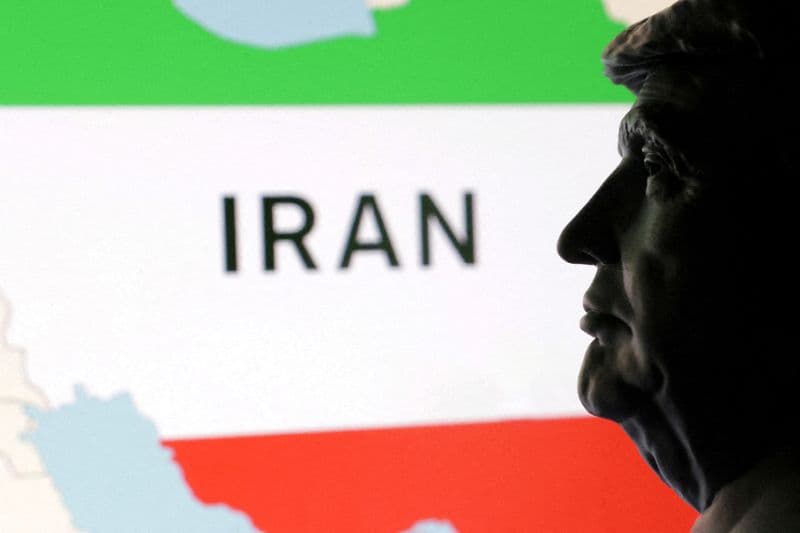
President Donald Trump has warned Iran that the United States is prepared to launch a devastating military strike if Tehran attempts to assassinate him.
Washington is increasing pressure on the Islamic Republic as diplomatic efforts to preserve a fragile ceasefire continue.
In a post on Truth Social, Trump claimed that 1,000 missiles are "loaded and ready to launch" and aimed at Iran, adding that thousands more will follow if Tehran carries out its assassination threats.
"The orders have already been given, and the United States military is ready, willing, and able... to completely destroy and obliterate every part of Iran," Trump wrote.
These statements come as senior US officials press Iran to publicly commit to keeping the Strait of Hormuz open and ceasing attacks on merchant ships before progress can be made in negotiations on the country's nuclear program. Iranian Foreign Minister Abbas Araghchi accused Washington of violating a memorandum of understanding signed last month following the imposition of new sanctions by the US, saying further diplomacy would require "mutual compliance." Parliament Speaker Mohammad Bagher Ghalibaf also warned that Iran is prepared for "full-scale defense" if the US violates the agreement.
Diplomatic activity in the region continues. Araghchi arrived in Oman for talks, while Qatar and Pakistan remain engaged in efforts to maintain the negotiating process.
Meanwhile, the US is expanding its military presence in neighboring Lebanon. A US Central Command delegation arrived in Beirut ahead of technical talks between Lebanon and Israel in Rome next week, during which officials will discuss the implementation of the US-brokered agreement calling for a phased withdrawal of Israeli troops from southern Lebanon. US officials said the first pilot withdrawal zone could be launched within days. The security situation remains tense, with Israeli forces conducting additional airstrikes in southern Lebanon and reporting the killing of Hezbollah members within the designated security zone.
Vessel tracking data also indicates that commercial shipping through the Strait of Hormuz remains significantly below normal levels, highlighting the ongoing risks to global energy markets despite ongoing diplomatic engagement.