Despite a booming stock market and improving inflation, Americans view the economy as bleakly as they did in the early years after the pandemic.
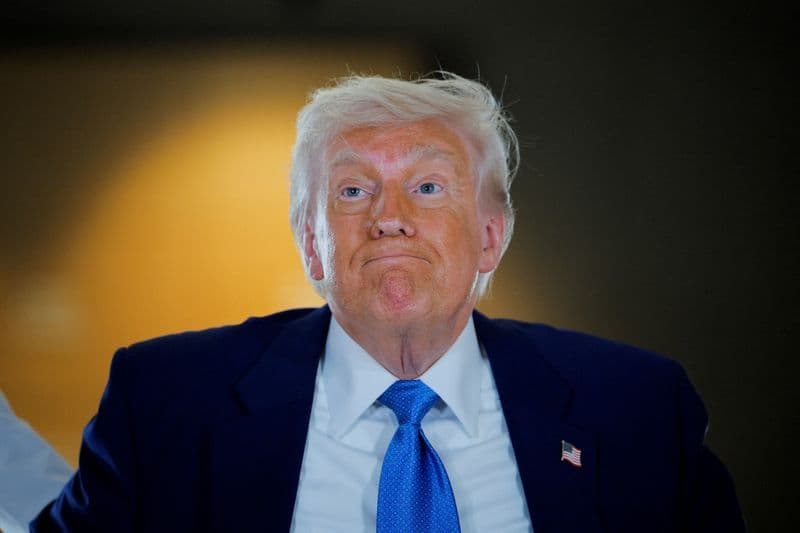
President Donald Trump's approval rating remains deeply negative, and Democrats are only slightly ahead of Republicans in who voters would trust to lead Congress.
The survey of 1,000 adults nationwide (margin of error ±3.1%) found that 61% are pessimistic about both the current state of the economy and its prospects. This is the highest level since December 2023, when the country was just emerging from pandemic-era inflation. Only 25% of respondents expressed optimism. "More voters expect things to get worse, by a margin of 41% to 29%, leaving the electorate in a downright negative mood heading into the midterm election cycle," noted Micah Roberts, a partner at Public Opinion Strategies, a Republican polling firm.
In response to rising prices, 47% of the population report cutting back on essentials like food and healthcare (up 6 points from the April poll). Two-thirds are cutting back on discretionary purchases like restaurants and entertainment (up 5 points). Americans are also more likely to save on travel and use credit cards more actively than in April.
These figures contrast with the recent decline in oil and gasoline prices, as well as the steady, moderate growth in retail sales. However, the national statistics may be driven by the spending of wealthy citizens: among those with incomes below $30,000, 60% save on essentials, compared to only 35% of those earning over $100,000.
Pollsters from both parties agree that the modest decline in gasoline prices in recent weeks does not offset the lingering effects of previous price hikes.
"People are still paying significantly more than they were eighteen months to two years ago, and that's fresh enough in their memories to be painful and cause a lot of anger," said Jay Campbell, a partner at Hart Research, a Democratic pollster. "When gas goes down 50 cents a month, it's just not enough to make up the difference."
Trump's approval rating remains deeply negative, though it has barely changed since April. The net approval rating is 40% to 59% disapproval (down a point from April). The president's handling of the economy is disapproved by 60% to 38%. Both changes are within the margin of error, but at -22, the president finds himself in the deepest hole of his political career.
Trump's handling of the war with Iran is disapproved by 63% to 35%, and his approach to inflation and the cost of living is disapproved by 68% to 31%.
Meanwhile, the Democratic Party has only a slight advantage in control of Congress, unchanged from April. It appears the party is only modestly benefiting from dissatisfaction with the economy and the war with Iran. "This means the Democrats currently have an advantage, five months before the election, but not an overwhelming one," Campbell said. "It doesn't indicate a wave yet."
Both pollsters note a sharply divided electorate, "entrenched" in their parties and unwilling to switch sides, no matter how much the economy worries them.