Previous article
SPB Exchange is preparing to launch cryptocurrency trading
Economy
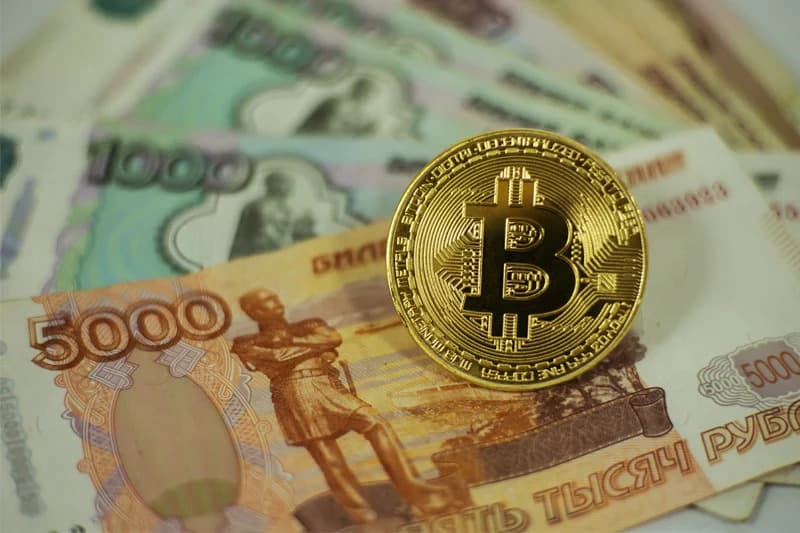
On August 7, SPB Exchange announced the start of building an infrastructure for cryptocurrency trading, aiming for September 1, the date the law legalizing digital asset transactions in Russia.
The exchange, which previously specialized in foreign securities and was hit by sanctions, views the cryptocurrency market as a fundamentally new business area. The exchange's CEO, Evgeny Serdyukov, explained:
"We are currently building the necessary technological infrastructure for organizing trading and settlements, including a digital depository."
The digital depository—a specialized structure based on distributed ledger technology for storing assets and recording ownership rights—is becoming a central element of this preparation. Back in early August, the Bank of Russia described the functionality of such structures in a broad context: according to Kommersant, the regulator expects that "digital depositories will not only store assets, but also maintain registries of clients, accounts, transactions, and digital currencies, assign unique codes to owners, and screen transfers for suspicious activity."
Sberbank, VTB, T-Bank, and Alfa-Bank have previously announced their intention to create their own depositories.
The legal framework for the market is being developed in stages. The basic provisions of the law "On Digital Currencies and Digital Rights" come into force on September 1, 2026, but the Bank of Russia plans to adopt additional regulations only by November. Only after their approval will organized trading become fully operational: the specific list of permitted instruments and access parameters for retail investors will be defined by separate regulatory guidelines. The annual investment limit for non-qualified market participants is also not specified in the final text of the law and will be set independently by the Central Bank. Before the law was passed, cryptocurrency transactions existed in a legal gray area: purchases were effectively possible, but the legal status of the assets remained uncertain. According to marketpower.pro, Russia ranks third globally in cryptocurrency holdings, with approximately $48 billion in Q1 2026. This pent-up demand now has a legal channel for entry into the organized market.
For the SPB Exchange, whose core business model was undermined by sanctions, the crypto market offers a real opportunity to restore volumes. However, the practical timeframe depends not only on the platform's technical readiness but also on the regulator's speed: if the Bank of Russia approves the necessary regulations closer to November rather than September, full-fledged trading will be delayed until the end of the year.
The long-term target is set out in the law: from July 1, 2027, any cryptocurrency transactions outside the licensed environment will be deemed illegal. This deadline gives the entire ecosystem, exchanges, depository banks, and investors themselves, a strict time horizon for the transition to a regulated infrastructure.