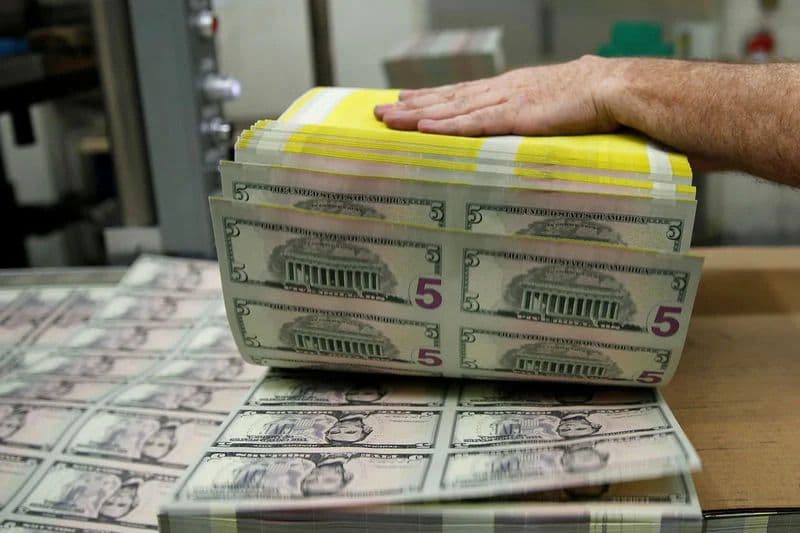
According to Standard Chartered analysts, the US dollar could face a period of sustained appreciation in the medium to long term.
Over the past week, the US Dollar Index—which tracks the currency's value against a basket of global currencies—rose by more than 1%. The dollar's strengthening was partly driven by the Federal Reserve's decision on Wednesday to raise interest rates by a quarter percentage point for the first time since 2023.
Following the announcement, Fed Chair Kevin Warsh emphasized the Fed's commitment to curbing inflationary pressures—a stance some analysts interpreted as a "hawkish" tilt in the central bank's outlook. Markets now price in an approximately 57% probability of another rate hike at the Fed's next meeting in October, up from about 42% a week earlier, according to CME FedWatch data.
Analysts also suggested that the Fed has made progress in restoring its credibility and independence at a time when President Donald Trump has frequently called for rapid rate cuts to stimulate economic growth.
In a note to clients, Standard Chartered strategists—including Steve Englander—stated that the Fed's rate hike appears to have "removed one of the main deterrents to buying" the dollar: "the fear that Fed Chair Warsh would not raise rates in defiance of President Trump."
"This appears to have unwound some, though not all, of the risk premium priced into the USD since Treasury Secretary [Scott] Bessent’s buyback announcement in mid-August," the analysts wrote, referring to the high-profile operation conducted by the Trump administration to stabilize recent volatility in the bond market. "Our view is that the currency market does not regard higher yields driven by deficits as a negative for the USD, provided that inflation and default risk remain contained. By effectively converting the term premium into real yield, Warsh has made the USD more attractive," they added.
At the same time, traders appear to have interpreted Warsh's remarks as a sign of his optimism regarding economic growth—"even if he would deny it," the analysts noted.
"His endorsement of the US economy's vitality signaled confidence in both the sustainability of yields and the appeal of direct and portfolio investment in the US," the analysts stated. "In one fell swoop, Warsh may have removed the biggest obstacle to buying the USD and created the biggest obstacle to selling it."