Previous article
Gold hovers near 7-week low after 4% drop amid Fed rate hike expectations
Economy
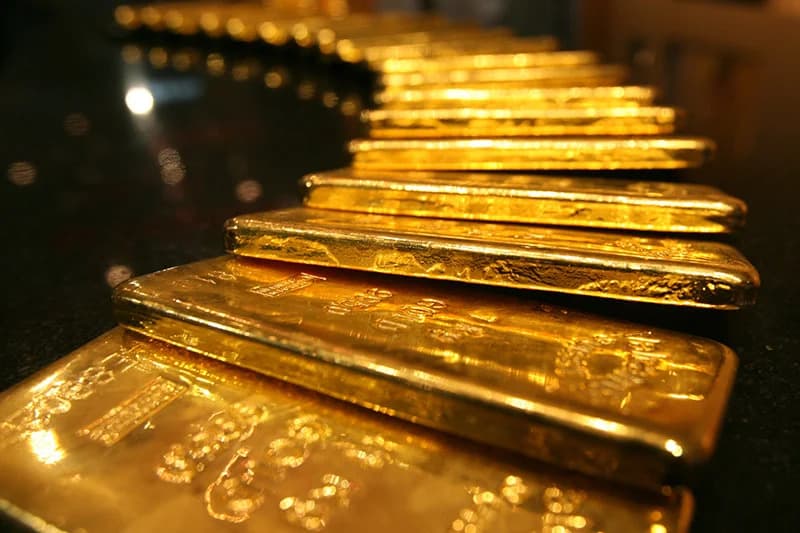
Gold dropped approximately 7% in September, despite having reached the $4,510 level earlier in the month.
Gold prices edged up slightly on Tuesday following a 4% drop in the previous session but remained near a seven-week low, as the standoff between the US and Iran over the Strait of Hormuz kept energy prices high and reinforced expectations of further interest rate hikes by the Federal Reserve.
At 07:13 Moscow time, XAU/USD rose 0.4% to $4,131.10 per ounce, while gold futures fell 0.2% to $4,162.32. XAG/USD declined 0.3% to $60.45, and XPT/USD fell 1% to $1,700.17. The US Dollar Index rose 0.1% to 101.27.
Standoff over Hormuz keeps oil prices and government bond yields high
Oil prices continued to rise as Iran remained adamant about its conditions for reopening the Strait of Hormuz.
Iranian officials privately expressed pessimism regarding a deal with Washington to halt hostilities before the US midterm elections in November, after President Donald Trump rejected Tehran's latest proposal to reopen the critical waterway within seven days.
The conflict between the US and Iran has dragged on for eight months, putting pressure on global energy flows and inflation expectations.
The renewed rise in oil prices also intensified the sell-off in the US Treasury market on Monday. The yield on 10-year Treasury bonds rose to a new 19-year high, increasing the cost of holding gold, an asset that generates no interest income.
The sell-off in Treasury bonds, which began following the flare-up of the US-Iran conflict in late February, has accelerated over the past month, creating new economic risks as higher yields drive up borrowing costs.
The Trump administration sought to ease pressure on long-term borrowing costs by increasing Treasury buybacks, yet yields continued to climb.
Cleveland Fed President Beth Hammack stated that the rise in long-term yields reflects several factors, including a stronger growth outlook, concerns regarding government debt, and expectations of further interest rate hikes.
Gold fell 7% in September amid a shift toward a more hawkish Fed outlook.
Gold dropped approximately 7% in September, despite having reached the $4,510 level earlier in the month. The decline followed the Fed's first interest rate hike since 2023; policymakers also kept the door open for further increases as they grapple with persistent inflation in the US.
Markets now price in a roughly 70% probability of another rate hike in October. ANZ analysts noted that gold fell to around $4,130 per ounce as rising US Treasury yields triggered a fresh sell-off, while higher energy prices further fueled expectations of an imminent Fed rate hike.
Fed Governor Lisa Cook stated on Monday that productivity gains driven by artificial intelligence might not be sufficient to offset short-term inflationary pressures. She also noted that significant investment in data centers is intensifying competition for shared resources, including energy and construction labor.
ANZ stated that the short-term macroeconomic environment remains challenging for gold, as higher yields and inflation risks exert pressure on the metal.
Markets will now focus on Wednesday’s PCE (Personal Consumption Expenditures) inflation data—the Federal Reserve’s preferred inflation gauge—as well as Friday’s non-farm payrolls report, seeking further clues regarding the trajectory of interest rates.