Previous article
Asian currencies stagnate; dollar set for fourth week of gains
Economy
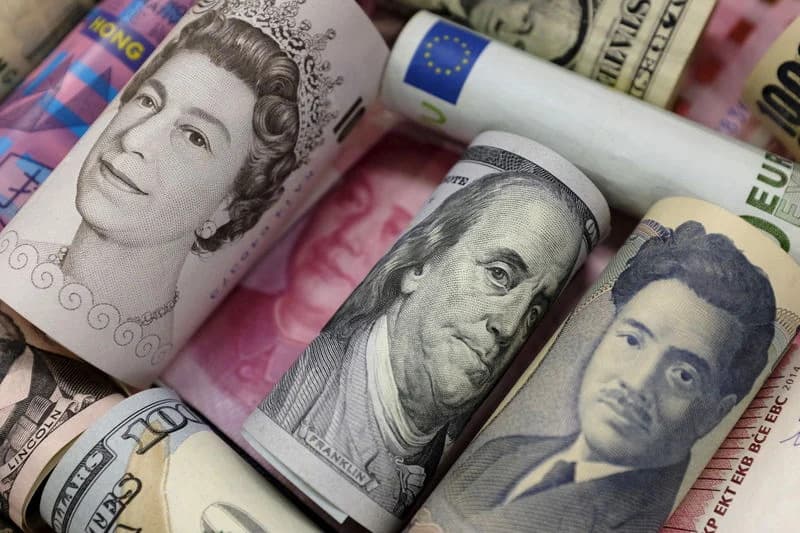
Most Asian currencies remained within a narrow range on Friday, while the dollar edged lower; however, it is on track to post its fourth consecutive weekly gain.
The Japanese yen weakened slightly following mixed household spending data, while the South Korean won remained steady amid holiday-thinned trading.
Anticipation of US consumer sentiment and inflation expectation data also prompted market caution, while a drop in oil prices provided only limited support.
A decline in US Treasury yields this week eased some pressure on Asian currencies as the bond market sell-off paused; however, yields remain near multi-year highs.
Yen weakens as household spending falls
The USD/JPY pair rose 0.1% after government data showed Japanese household spending fell for the ninth consecutive month in August.
Spending dropped 3.1% year-on-year—beating the forecast of a 3.5% decline—while rising 0.1% month-on-month, falling short of the expected 0.5%.
The release came just days after mixed wage growth data for August, once again casting doubt on the resilience of consumer spending and the Japanese economy as a whole. Consumer spending has been steadily slowing this year, despite ongoing government efforts to stimulate growth, including tax breaks and subsidies for fuel and utilities.
Weak consumer spending may cause the Bank of Japan to question the need for further interest rate hikes this year—following a cumulative 50-basis-point increase implemented by the regulator amid growing concerns over persistent inflation.
Other Asian currencies also remained largely stable on Friday. The USD/CNY pair fell 0.07%, while the USD/SGD pair dropped 0.09%.
The AUD/USD pair rose 0.2%.
Indian rupee hits record low above 97 amid rising oil prices
The USD/INR pair rose 0.2% to reach a record high of 97.117 rupees on Friday; the rise in oil prices largely offset the impact of the Reserve Bank of India's policy tightening earlier in the week.
Despite a slight dip on Friday, oil prices remain near 2026 highs—a negative signal for the rupee, given that India imports a significant portion of its oil.
Earlier this week, the RBI raised interest rates by 25 basis points and shifted its monetary policy stance from neutral to "calibrated tightening," citing rising inflation risks.
The central bank also reportedly intervened in the currency market to support the rupee. Sustained selling by foreign investors in the domestic market and high U.S. Treasury yields have intensified pressure on the Indian currency in recent weeks.
The dollar holds steady but is on track for a fourth consecutive week of gains.
The dollar index and dollar index futures dipped 0.1% on Friday, reflecting an overnight drop in yields.
Nevertheless, the U.S. currency is poised to gain about 0.1% for the week, marking its fourth straight week of growth.
The dollar remains near the 18-month high reached earlier this week, after minutes from the Federal Reserve's September meeting confirmed the regulator's hawkish stance. At that meeting, the Fed raised rates by 25 basis points, citing inflation risks.
Although markets have scaled back expectations for an October rate hike, they remain confident that the Fed will raise rates by another 25 basis points in December, according to CME FedWatch data.
Reduced expectations for an October hike led to a slight decline in Treasury yields this week, though the yield on 10-year notes remains near its highest level since 2002.
Friday's focus is on University of Michigan consumer sentiment and inflation expectation data, which could provide further insight into the state of the world's largest economy.