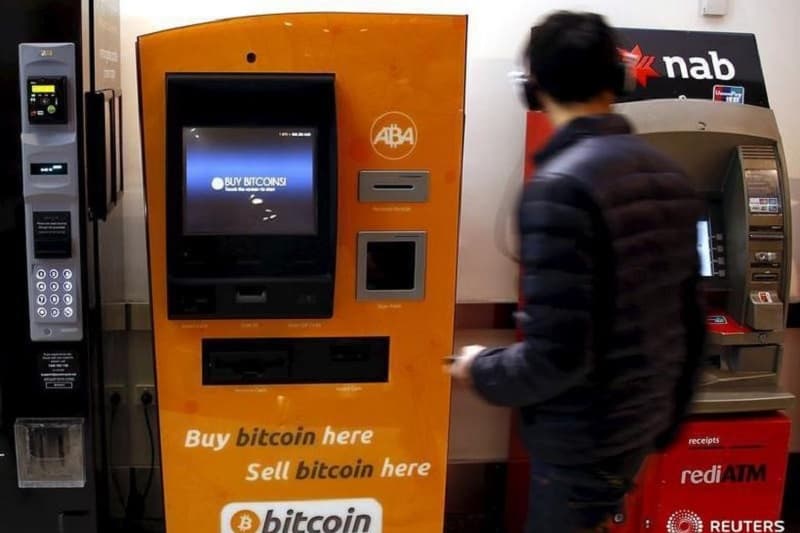
The collapse of Bitcoin Depot fuels concerns that the traditional crypto ATM business model in the US may be unsustainable amid increasing regulatory pressure.
Roshan Dharia, CEO of Echo Base and a seasoned restructuring consultant, told Investing.com that the company's bankruptcy could be an early warning sign for operators suffering from narrowing transaction spreads, rising compliance costs, and increased fraud risks.
"Bitcoin Depot's bankruptcy is likely a harbinger of what the entire US crypto ATM industry will face in the next few years," Dharia told Investing.com on the day of the bankruptcy announcement, then elaborated on his position in a subsequent interview. "The traditional model relied on high transaction spreads and limited regulatory oversight to offset unusually high costs for compliance, cash logistics, fraud remediation, and retail revenue sharing."
The Atlanta-based operator, which operated more than 9,000 kiosks worldwide as of mid-2025, filed for voluntary Chapter 11 bankruptcy in the U.S. Bankruptcy Court for the Southern District of Texas on May 18, 2025. CEO Alex Holmes acknowledged in a filing that the company's current business model has become "unsustainable" in a regulatory environment increasingly hostile to BTM operators.
Preliminary first-quarter results, released on the eve of the bankruptcy filing, clearly demonstrated how rapidly the business economics had deteriorated. Revenue fell to $83.4 million, a 49% decline year-over-year, while gross margin plummeted to 5.4% from 14.9% in the previous quarter.
In an interview with Investing.com, Dharia explained that the industry's economics are deteriorating from two angles: regulators are capping fees, while compliance and fraud prevention costs are rising. "Regulators are now directly squeezing this revenue through fee caps, spread controls, and consumer protection enforcement," he said, noting that once effective revenue per transaction drops to the low- to mid-double-digit percentage range, the autonomous kiosk model struggles to survive without "dense scale and highly automated compliance."
States are also increasingly requiring operators to intervene in suspicious transactions before funds are transferred, significantly increasing the operational complexity of managing a kiosk network. Dharia noted that this shift increasingly requires infrastructure typical of traditional financial institutions, including transaction analytics, wallet verification systems, and specialized fraud response teams. "Some operators have elements of this system in place today, but most were not originally designed for large-scale indemnification obligations or real-time fraud prevention obligations," he emphasized.
"This equation is collapsing as states increasingly implement consumer protection standards that compress fees, expand operator liability for fraudulent activity, and increase transaction monitoring and indemnification requirements," Dharia said in his initial statement on Monday. "As a result, many crypto ATM operators may be unable to generate sufficient margins to support a nationwide network at scale."
According to Dharia, any viable version of this business will likely rely less on its own kiosk fleets and more on integration with existing retail and fintech platforms. The winning structure, he believes, will resemble "a regulated cash acceptance layer built into existing retail and fintech infrastructure." For example, a transaction could be initiated through a mobile app and completed by depositing cash at a large retailer's checkout counter, rather than using a separate kiosk.
Under such a structure, operators would generate revenue primarily from compliance services, transaction monitoring, and liquidity management, rather than from deploying physical devices. This would create a lower-margin business, Dharia acknowledged, but one that is structurally more resilient. He believes the model will still cater to cash-oriented users seeking access to digital assets, which he called an important part of Bitcoin's original purpose.
Dharia noted that the implications for Bitcoin itself are mixed. He characterized the potential collapse of the crypto ATM industry as both a "healthy correction" and a "real loss," noting that ATMs have helped expand consumer access to cryptocurrencies, largely dependent on