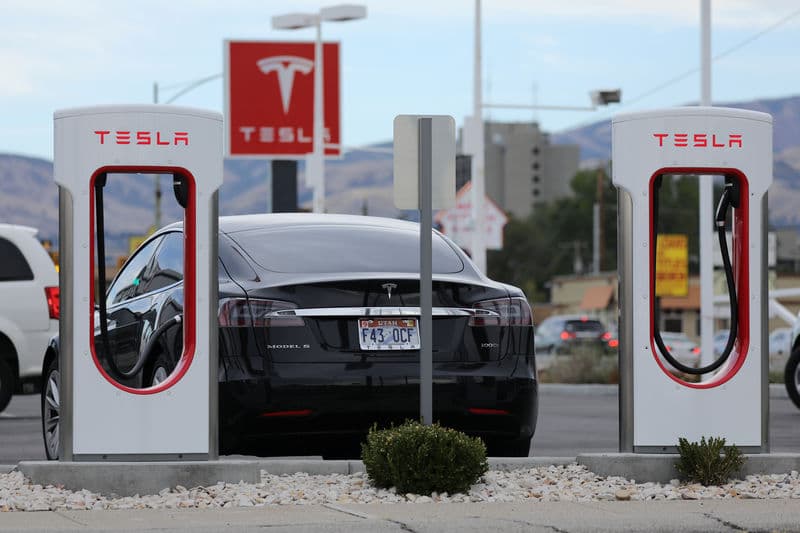
Tesla reported first-quarter delivery data that met moderate market expectations, though its energy storage unit saw an unexpected double-digit decline.
The automaker delivered 358,000 vehicles, up 6% year-over-year. The results slightly missed the analyst consensus estimate of 365,000 units, though they significantly exceeded Morgan Stanley's more conservative internal models.
Car Demand Stabilizes Amid New Model Launches
Tesla's first-quarter 2026 delivery results suggest the company's automotive division is entering a period of stabilization after recent volatility. While slightly below consensus, analysts expect demand to accelerate again after 2026. Analyst optimism is fueled by projected mid-teens CAGR sales growth through 2030, supported by the anticipated launch of new vehicle variants, including the potential "Model YL" and a new version of the Cybertruck, as well as continued software improvements for full autonomous driving (FSD).
Morgan Stanley slightly revised its full-year 2026 forecast to 1.60 million deliveries, a slight improvement from its previous estimate, though still a 2.2% decline year-over-year.
For investors, the key question remains whether new model launches can successfully fill the gap until Tesla's next-generation platform reaches mass production.
Energy Storage: A Temporary Setback or a New Trend?
The most significant area of weakness in the report was the energy storage systems (ESS) segment. Deployment volume for the quarter fell to 8.8 GWh, missing the consensus forecast of 14.4 GWh by a full 40%.
The first-quarter data marked the first year-over-year decline in Tesla's storage system deployments since 2022, raising questions about the growth momentum of its Megapack grid-connected systems business.
However, analysts caution against extrapolating this miss as a long-term trend. The market for large-scale utility-scale energy storage systems is notoriously uneven, often dependent on the timing of specific projects and global supply chain logistics.
Tesla's miss in the ESS segment was a "surprise," but the long-term outlook for Tesla's energy business remains unchanged, provided the company can demonstrate a return to growth in the coming quarters.