Previous article
Gold prices slip as traders weigh Fed rhetoric and Iran talks
Economy
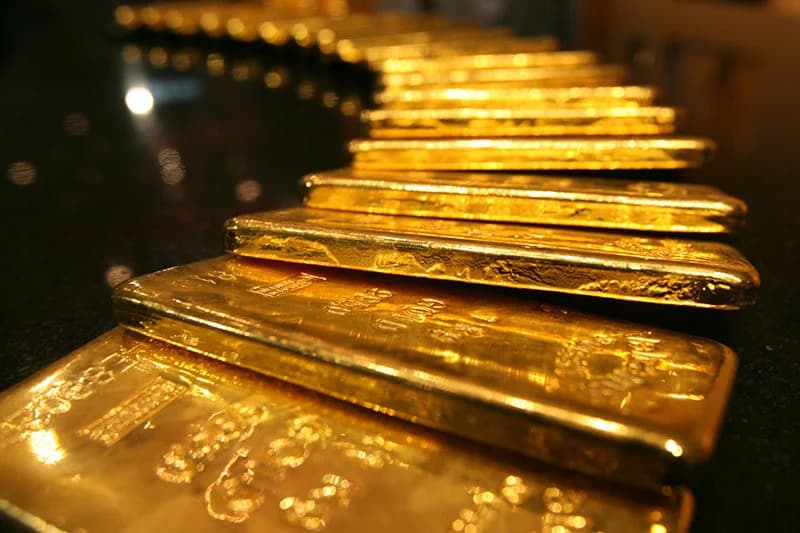
Gold is edging lower on Wednesday as traders monitor US-Iran negotiations and comments from Federal Reserve officials regarding how energy costs will impact interest rates.
At the time of writing, spot gold was trading near $4,328 per ounce, down 0.7% for the day. Several Fed policymakers have voiced concerns regarding the inflation outlook since the central bank voted unanimously last week to raise interest rates for the first time in three years.
Richmond Fed President Tom Barkin warned on Tuesday that it could take time for inflationary shocks to subside and that there is a risk of elevated price pressures becoming entrenched. He stopped short of signaling a need for further tightening. Boston Fed President Susan Collins stated in a LinkedIn post that a "somewhat more restrictive federal funds rate would help ensure a sustained return of inflation to the target level," given that the labor market is "in a better position."
Investors are also tracking renewed attention on diplomatic efforts to resolve the US-Iran standoff. Trump stated that US officials held a "very good" meeting with Iranian representatives in New York, reviving fragile hopes for a new diplomatic breakthrough after he had previously threatened to destroy the country.
Oil prices continued to fall amid Trump's latest comments and reports that Saudi Arabia intends to restore crude oil exports via its East-West pipeline in the coming days, allowing Riyadh to resume bypassing the Strait of Hormuz. West Texas Intermediate (WTI) has already dropped more than 10% since the close of trading last Tuesday. Brent crude traded at $98.50 on Wednesday, down 0.8%.
Gold has shown sensitivity to recent fluctuations in oil prices as investors assess whether elevated energy costs will sustain inflationary pressure strong enough to prompt further interest rate hikes by the Federal Reserve. Higher borrowing costs typically undermine support for the metal.
"Gold remains caught in a tug-of-war between demand for haven assets and the pressure of rising rates," and in the near term, it will likely remain sensitive to headlines regarding oil and interest rates, said Priyanka Sachdeva, an analyst at Phillip Nova Pte Ltd.
Meanwhile, gold imports by China—the world's largest consumer—have been exceptionally strong this year, driven by a drop in international prices since February and a strengthening yuan. Purchases through August exceeded 1,000 tonnes, surpassing the total for the full year of 2025, according to the latest customs data (records for which date back to 2017).
Silver fell 1% to $66.39 per ounce, following a 1.6% gain the previous day. Platinum and palladium prices also declined. The Bloomberg Dollar Spot Index rose 0.1%, extending gains from the previous three sessions.