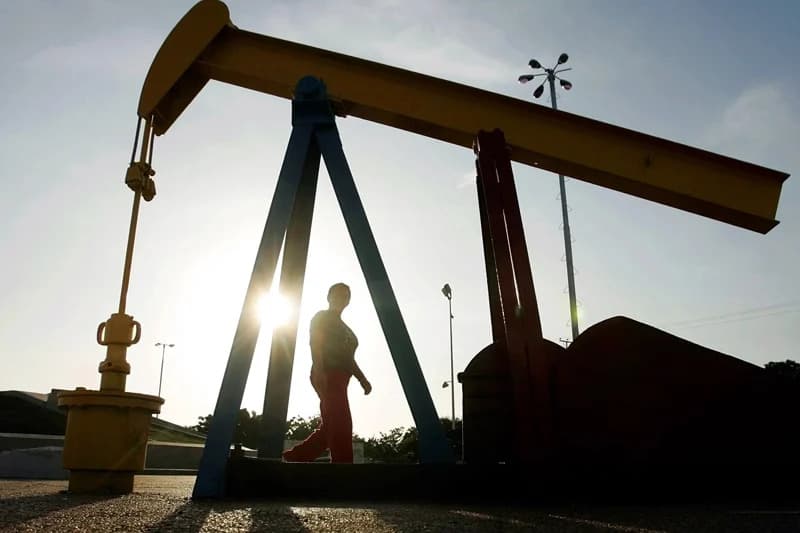
Persistent oil price volatility, driven by global supply disruptions and geopolitical tensions, threatens to entrench core inflation, creating a difficult dilemma for major central banks.
The Wall Street bank warned that standard monetary policy, which typically "ignores" short-term commodity supply shocks, may prove inadequate after five years of above-target inflation. Inflexible prices for a broader range of goods and services mean that oil price fluctuations could have a persistent impact on core inflation. Central Banks: Rate Hike Back on the Table
BofA noted the shifting rate trajectories of key central banks as volatile energy prices alter policy priorities:
Federal Reserve: Warsh Faces Tough July Decision
While BofA's baseline scenario assumes the Federal Reserve will keep the federal funds rate at 3.50-3.75% in July, the recent 10% rise in WTI crude oil prices has made the upcoming meeting an extremely difficult decision.
With markets pricing in nearly 10 basis points of a hike in July, Fed Chairman Warsh faces a strategic dilemma: keeping rates unchanged risks undermining the Fed's credibility on inflation, while raising them contradicts his stated vision of ignoring supply shocks. BofA maintains its forecast for three 25 basis point rate hikes in September, October, and December. European Central Bank: No Change for Now, Focus on September
The ECB kept interest rates unchanged, adopting a neutral stance as energy prices closely match its baseline forecasts. BofA expects a second rate hike in September, with the balance of risks shifting toward a potential third hike if energy markets deteriorate. However, the bank remains firm that a rate cut will follow in 2027, leading to a reduction in the deposit rate to 2.0% or lower.
Board of England: No Change Amid Rising Risks
The Bank of England is expected to keep its bank rate at 3.75% following a 7-2 vote, as soft labor market conditions and subdued wage growth have limited immediate second-round inflationary effects. However, BofA noted that the persistent rise in energy prices tilts the risks toward tightening policy. Reserve Bank of India: Balancing Act Continues
The RBI is expected to maintain a neutral stance at its next policy meeting. While immediate domestic growth appears robust, the central bank must navigate new headwinds, including higher fuel costs and potential monsoon-related uncertainty, along with growing expectations of interest rate hikes in the US.